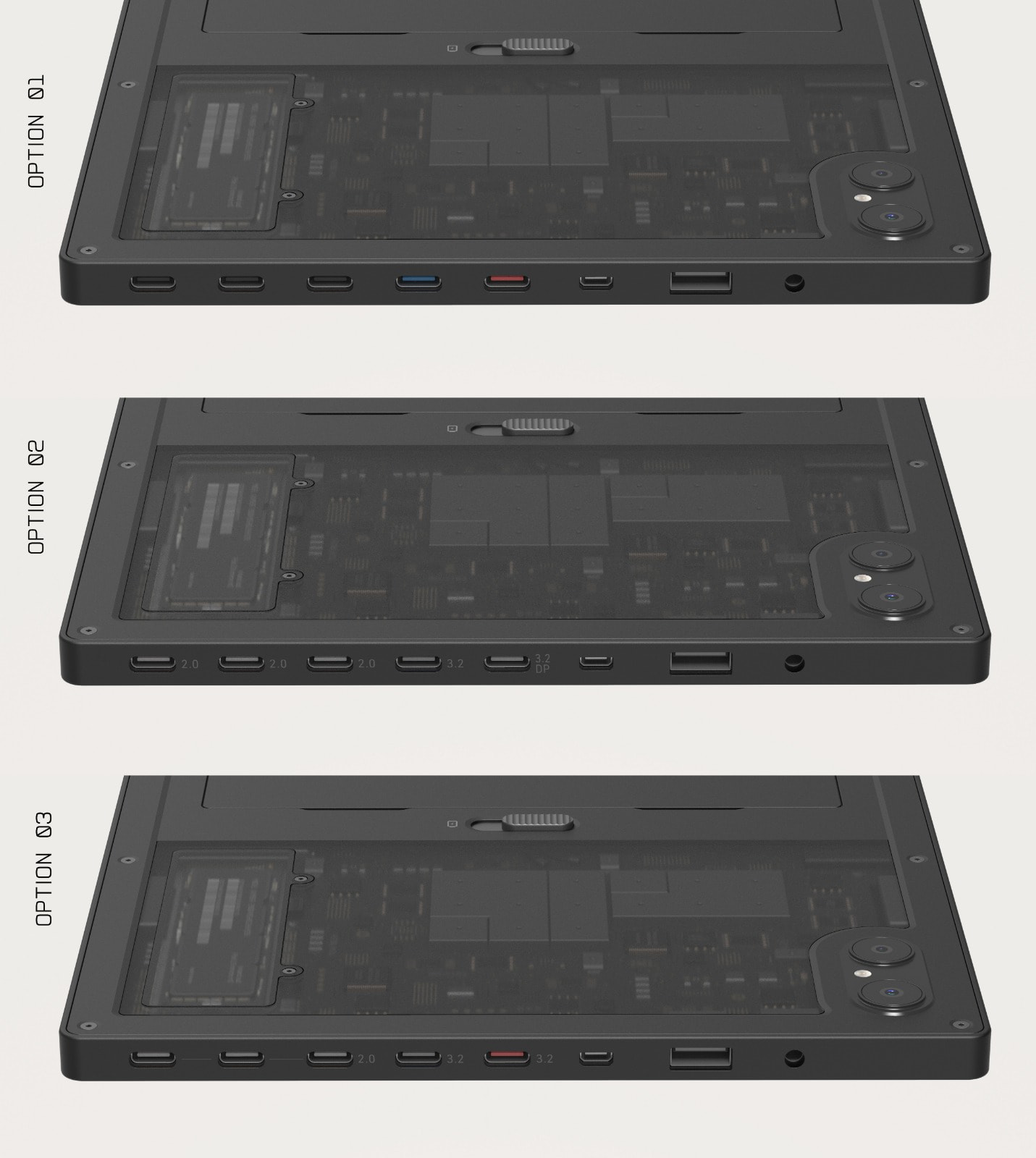
This megathread is the main place for discussions, questions, and updates about open_slate, our upcoming tablet project.
open_slate is a new product category for us and an important step forward - both technically and philosophically. We’re sharing early details here so the community can follow along, ask questions, and help shape the direction as the project evolves.
open_slate pre-orders open on 24th of February, 11:30AM PST time.
Background
With our latest smartphone BraX3, we proved that a privacy-focused mobile device could be designed, crowdfunded, manufactured, and delivered outside the traditional Big Tech ecosystem.
From the beginning, we never meant to just make smartphones. While those were the priority due to the wider adoption (and as such, bigger impact), we always planned to expand our portfolio and address a broader set of use cases - while keeping privacy, openness, and user control as foundational principles.
Over the course of the BraX3 project, we received a large amount of direct feedback from the community. Some of the most recurring themes were:
- The desire for native Linux support
- Better repairability and longevity
- Stronger hardware-level privacy controls
open_slate is the result of taking that feedback seriously and applying it to a new form factor. The larger tablet platform gives us more room to experiment with ideas that were harder to implement in a smartphone
This project represents both a continuation of what we started with Brax smartphones and an expansion into a new category, designed to serve more use cases without abandoning the principles that brought us here.
About
open_slate is a 2-in-1 privacy-enhanced tablet and modular workstation, designed to serve multiple use cases on a single, user-controlled device.
It’s built as a multipurpose platform:
- A consumer tablet for everyday use
- A productivity device for work and development
- A Linux-capable workstation on ARM
- A privacy-focused alternative to locked-down tablets
This project expands our scope beyond smartphones while keeping privacy, control, and openness as core principles.
Product Previews
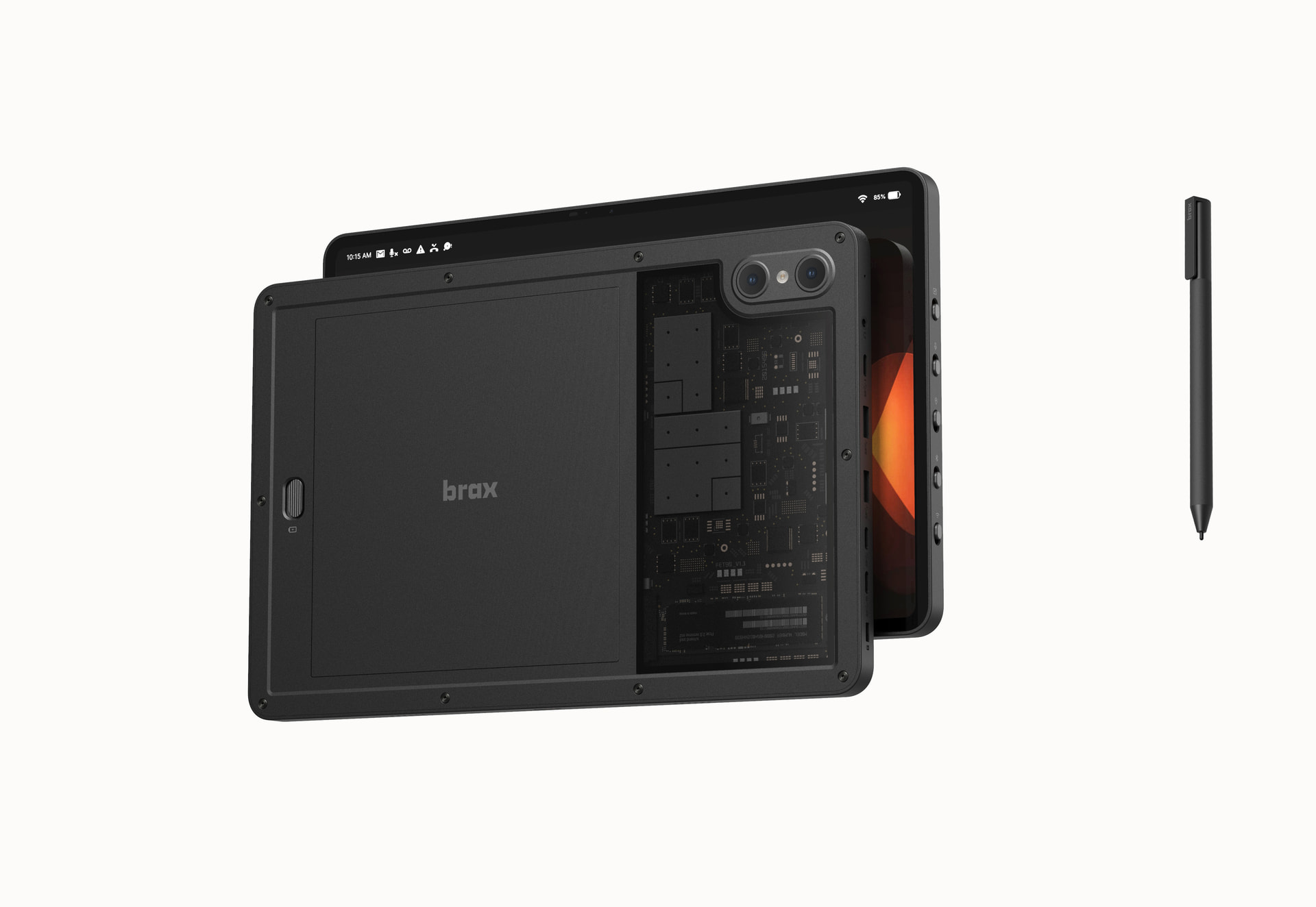
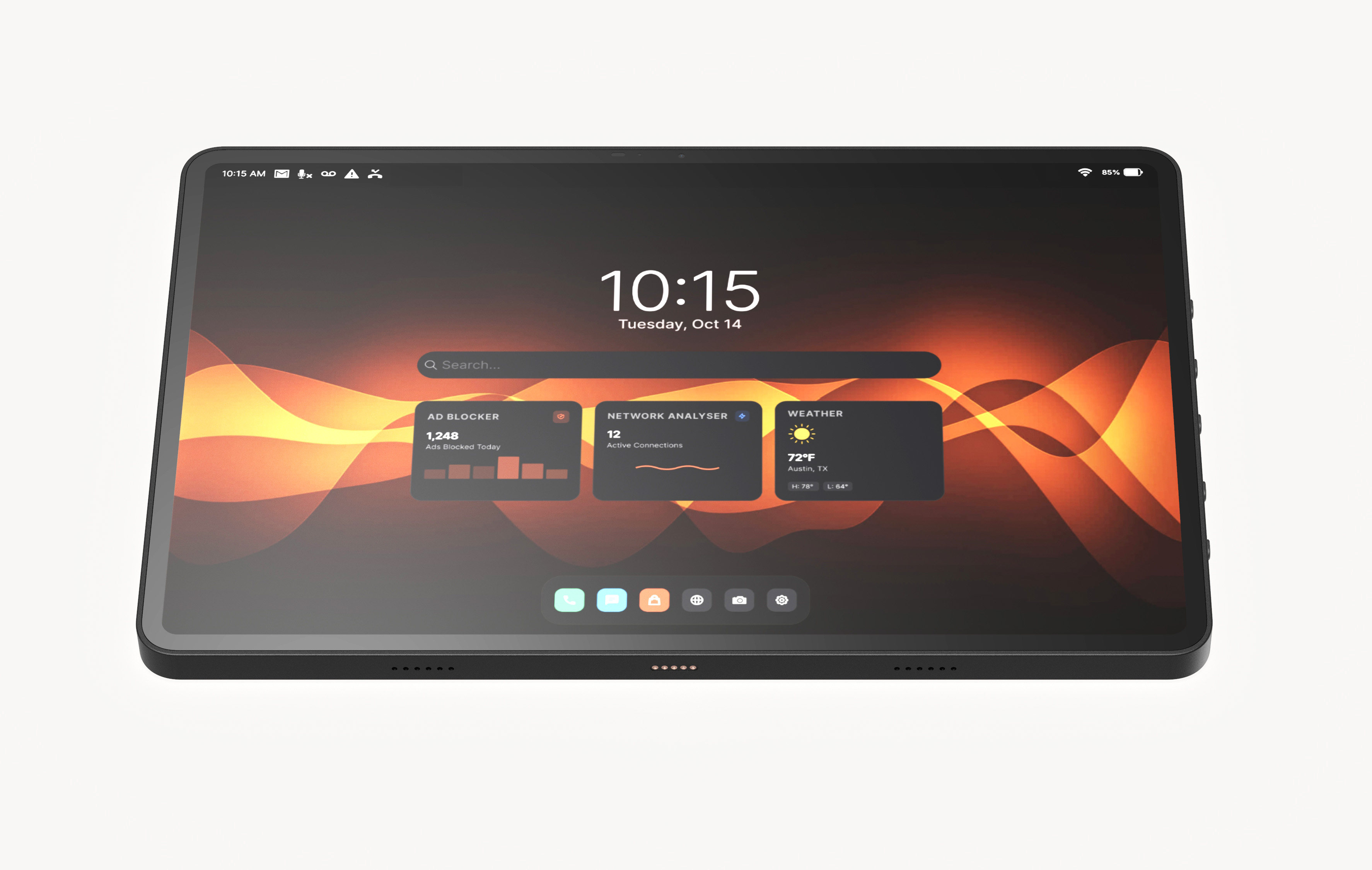
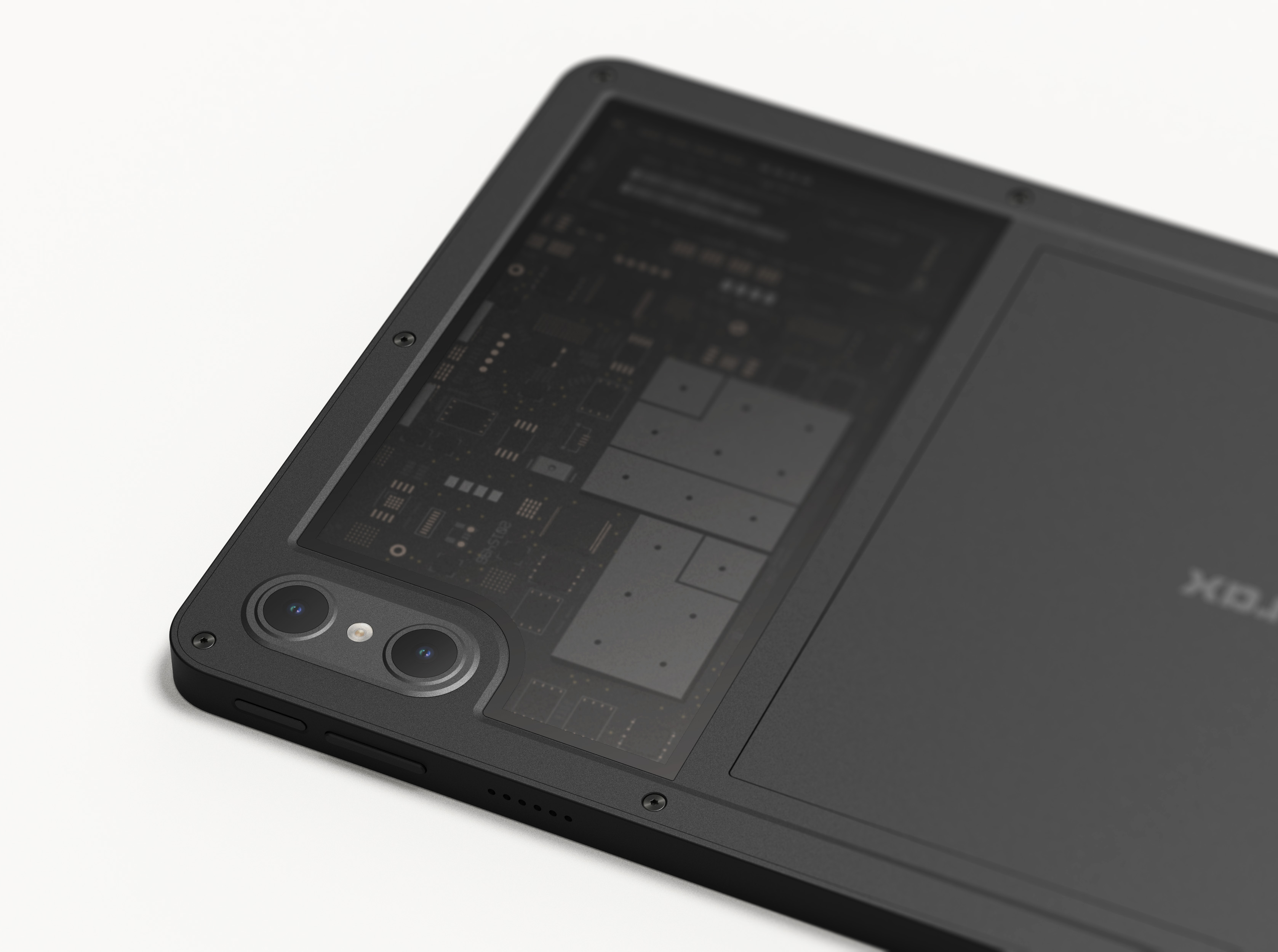
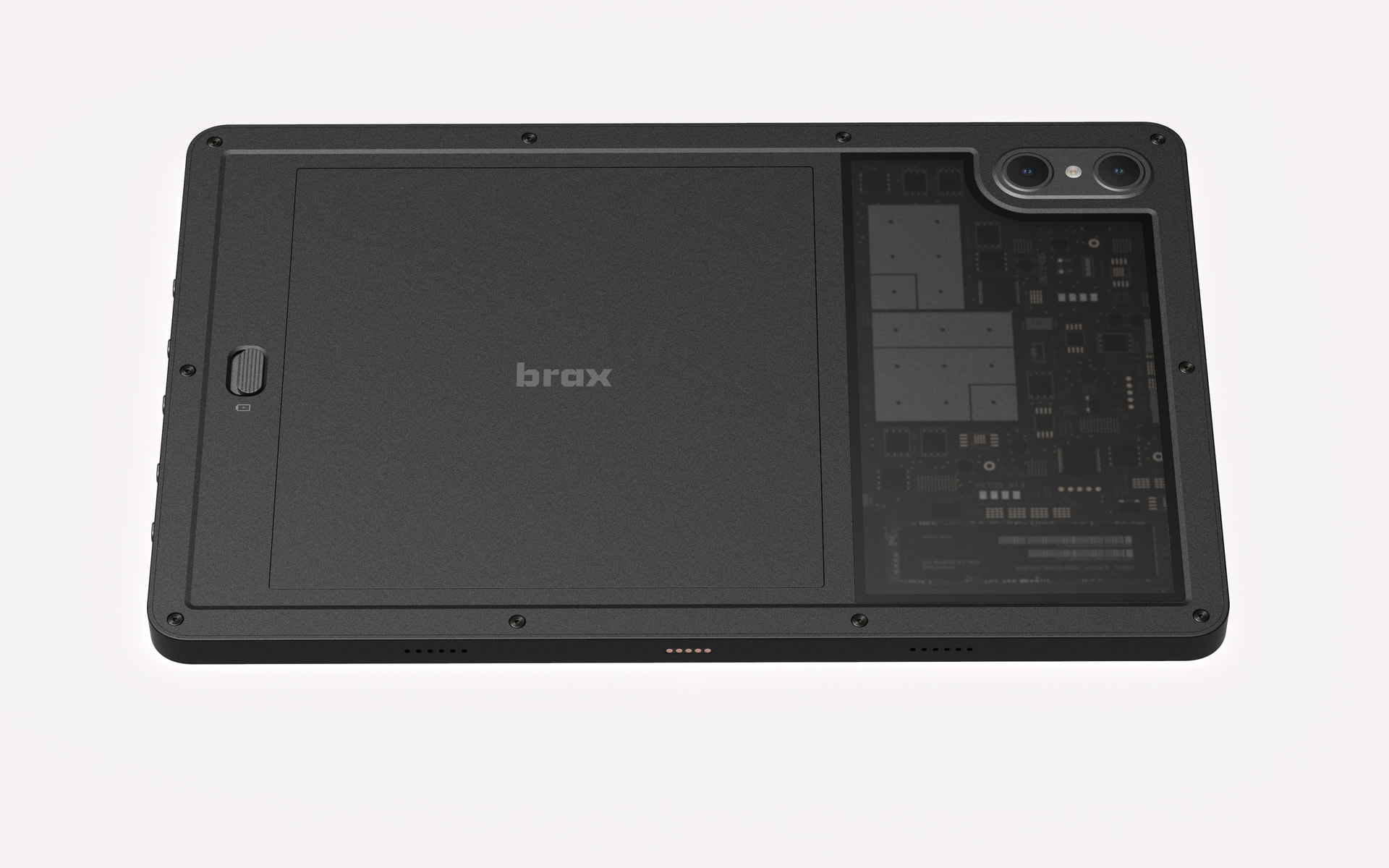
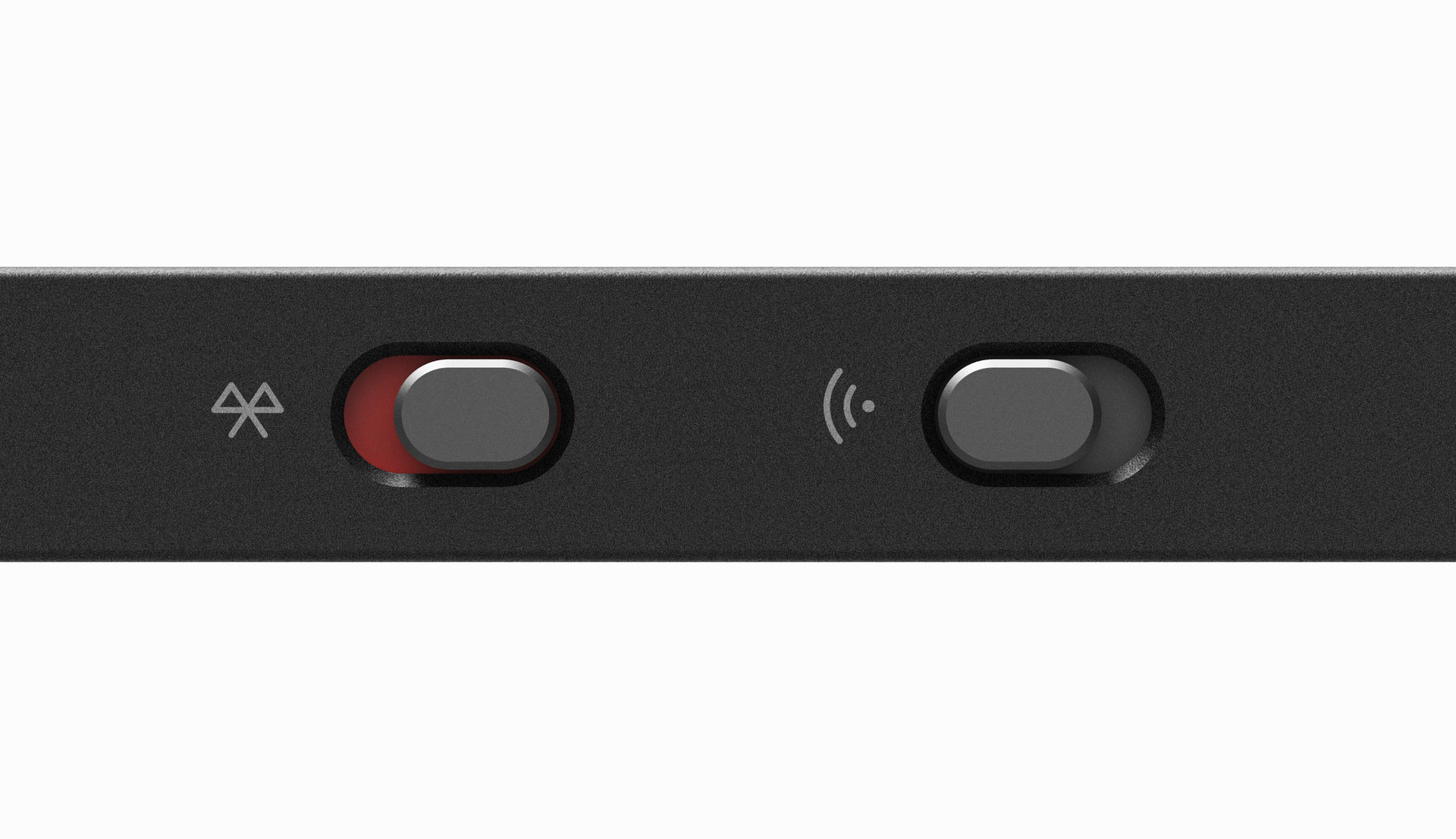
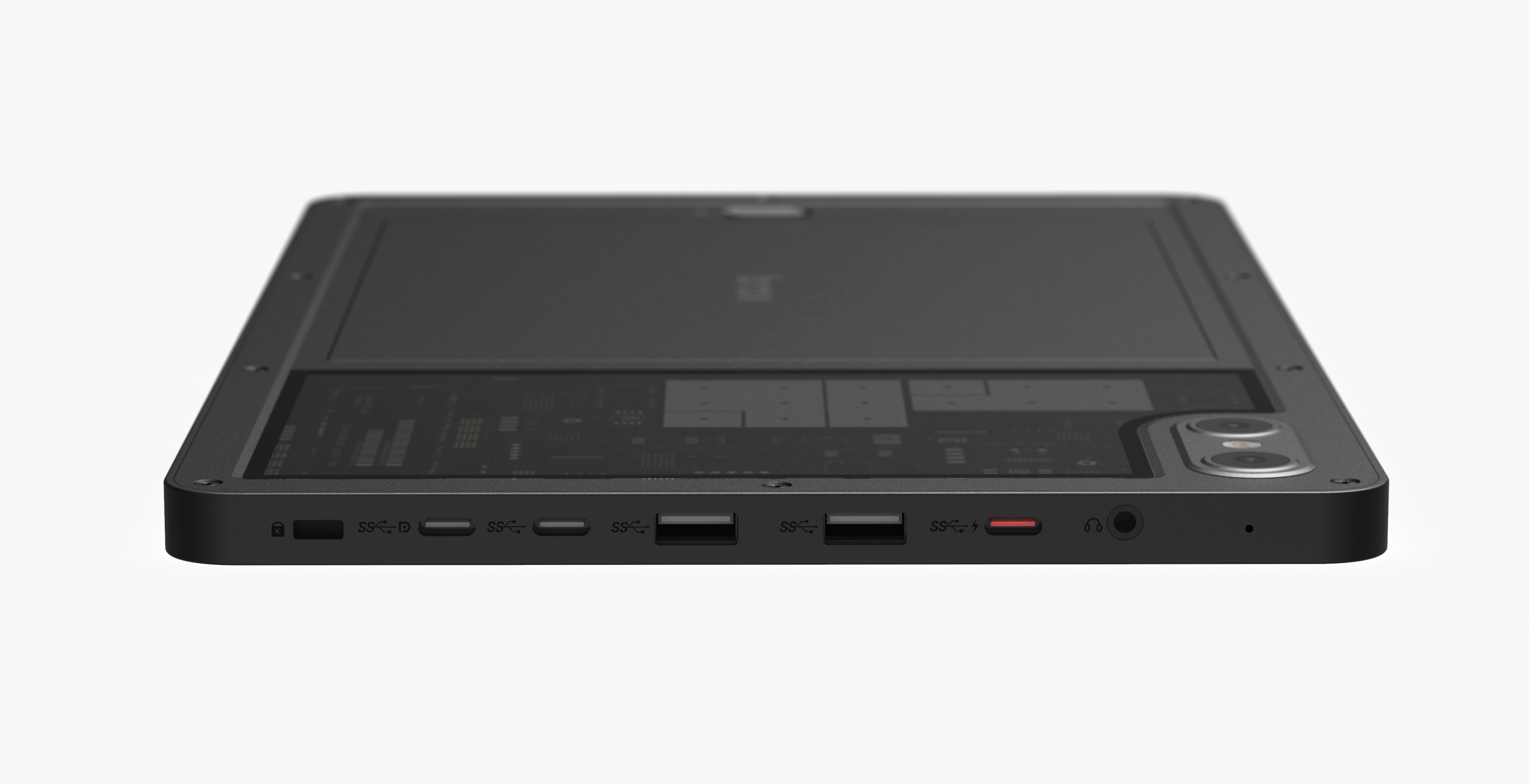
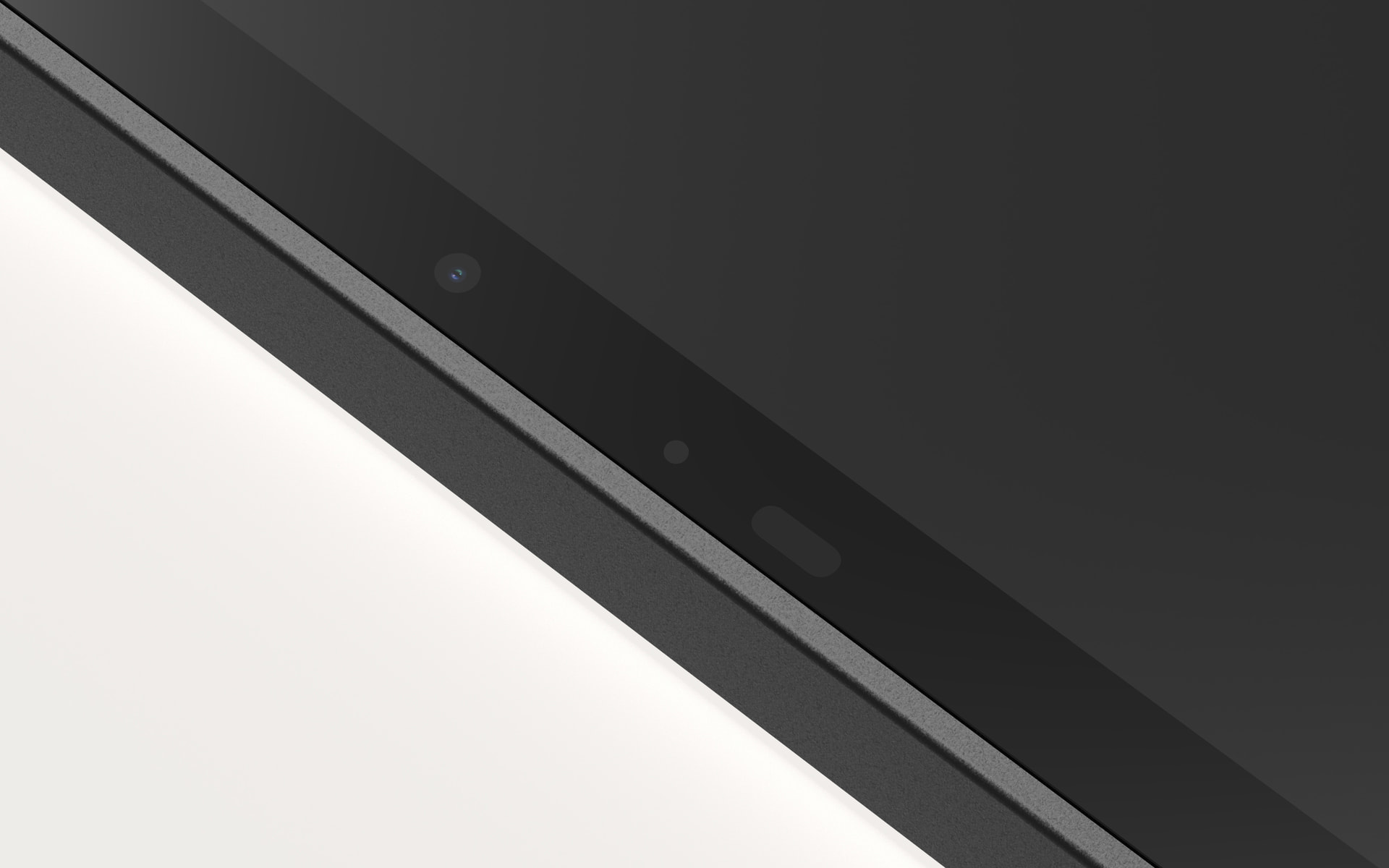
Disclaimer: design is subject to change is we finalize manufacturing details and obtain certifications. We will always keep designs up to date in this thread. While some details may change, the integrity of the design will not.
Key Features & Design Principles
Key specs
open_slate is built around a modern ARM platform selected to balance performance, efficiency, and long-term software support across both Android and Linux environments.
At a high level, the platform includes:
- MediaTek Genio 720 SoC, chosen specifically for its Android and native Linux compatibility and strong performance
- Two configurations targeting different use cases:
- 8 GB RAM / 128 GB storage — intended for general tablet and consumer use
- 16 GB RAM / 256 GB storage — aimed at power users and workstation-style workflows
- M.2 expansion support, allowing users to customize local storage and configurations beyond the default setup
- A 12’’ 2.4k resolution IPS touchscreen display with active stylus support, suitable for productivity and creative work
- A long lasting 8,000 mAh battery with expected life of about 20hrs.
Privacy & control at the hardware level
Privacy and security are foundational to open_slate’s design.
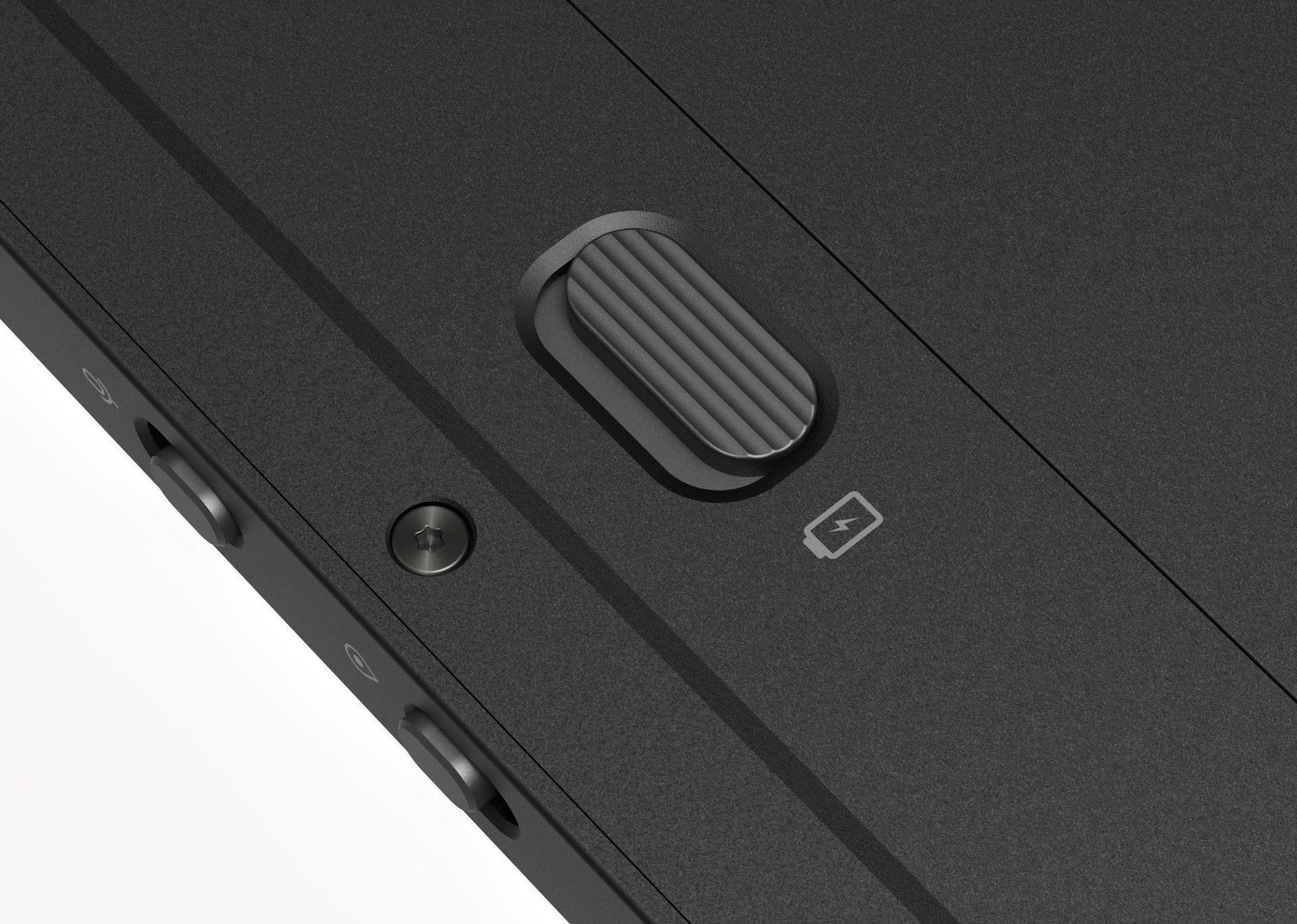
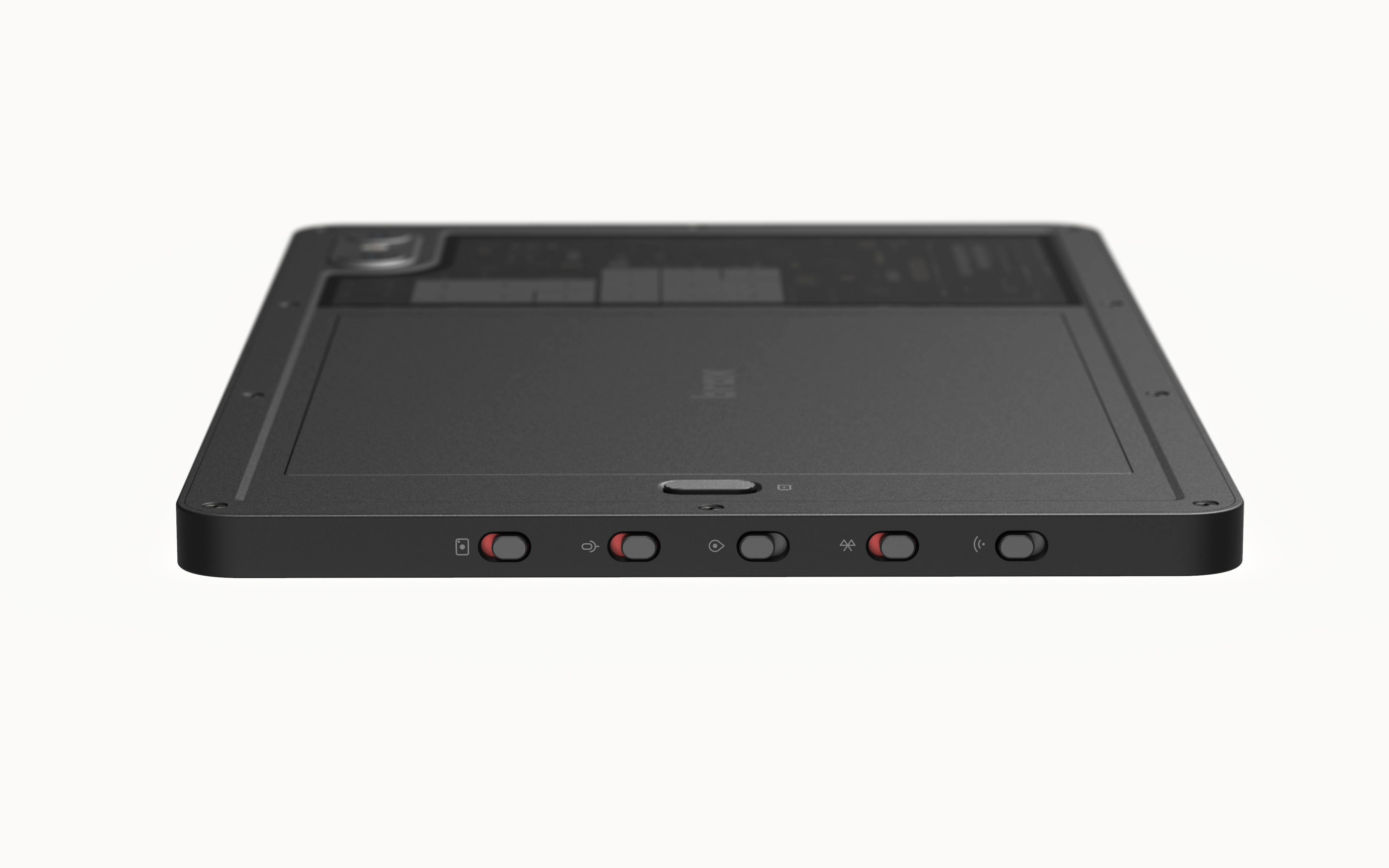
The tablet includes physical hardware switches that can disable key components at the hardware level, including:
- Wi-Fi
- Bluetooth
- GPS
- Microphones
- Cameras
These switches are about control first - with privacy and security being the direct result. This design approach is something we’re actively exploring as a potential signature feature across future product lines.
Modularity by design
open_slate is built with true modularity in mind. This goes beyond repairability and enables real customization.
Key aspects:
- User-replaceable battery
- M.2 expansion slot, allowing different storage or configuration options depending on user needs
- Open back design, accessible with standard tools
- Components designed to be serviceable rather than sealed
The goal is to let users adapt the device to their purpose, whether that’s long battery life, more local storage, or a specific workflow — without replacing the entire tablet.
Multi-OS compatibility
Most tablets lock users into a single ecosystem. open_slate is designed to do the opposite.
Planned support includes:
- Android-based systems (BraxOS, iodeOS, LineageOS, AOSP and others)
- Native Linux distributions (e.g. Ubuntu Touch, Ubuntu, Debian, Yocto Linux and others)
We’re working directly with Linux integrators and chipset partners to ensure proper mainline Linux kernel support, rather than one-off ports that break over time. The intent is long-term OS viability, even beyond the lifecycle of any single operating system or company.
Expected OS releases in 2026: BraxOS (Android), Yocto Linux, Ubuntu (Android). More releases in 2026 to be confirmed soon.
Compatibility & I/O
open_slate is designed to integrate easily into a wide range of workflows, whether used as a standalone tablet or as part of a more complex setup.
Connectivity and compatibility include:
- Multiple USB ports, including:
- USB 3.2 for high-speed peripherals and data transfer
- USB 2.0 for accessories and legacy devices
- DisplayPort output, allowing connection to external monitors
- 3.5 mm audio jack, avoiding the need for adapters
- Keyboard support via pogo pins, enabling low-latency, dock-style input without occupying USB ports
- Active stylus pen support, for handwriting, drawing, and precise input
These interfaces are intended to make open_slate flexible enough to function as:
- A traditional tablet
- A portable workstation
- A docked desktop-style device when connected to external displays and peripherals
Device specs
Design
| Component | Specification |
|---|---|
| Build | - Body: ABS + PC body with TPU reinforcement - Glass cover: Gorilla Glass |
| Interface (ports) | - 1 × PCIe Gen 2 (RC, supports Wake on WLAN, M.2 support) - 2× USB 3.2 Gen 1 Type-C (1× dual-mode shared with DP 1.4, 1× host, 64 EP) - 1× USB 2.0 (host, 64 EP) - 1× 5-pin pogo connection - 1× 3.5 mm audio jack - 1× microSD memory card slot (up to 1 TB) - 1× microHDMI port |
| Physical switches | - Camera switch - Microphone switch - GPS switch - Bluetooth switch - Network switch - Wi-Fi switch All switches disable components at the hardware level by cutting power to the chip/sub-chip. |
| Back assembly | - Battery protection plate (opened via switch) - PCIe access plate (opened via screw disassembly) - Transparent glass window with view of the motherboard |
| Buttons | - Volume rocker - Power button with embedded fingerprint sensor |
| Dimensions | ~248.6 × 179.5 × 9 mm (9.79 × 7.07 × 0.35 in) |
| Weight | ~650 g (1.4 lbs) |
SoC / Compute
| Component | Specification |
|---|---|
| CPU | - MediaTek Genio 720 (MT8391AV, 6 nm) - 2× Cortex-A78 @ 2.6 GHz - 6× Cortex-A55 @ 2.0 GHz - Geekbench 6: ~1074 (single) / ~2441 (multi) - AnTuTu: ~600k+ |
| GPU | - Arm Mali-G57 MC2 @ 1.1 GHz - OpenGL ES 3.2 - Vulkan 1.1 - OpenCL 2.2 |
| NPU | - MediaTek 8th-Gen NPU - 9 TOPS (1× MDLA 5.3 GenAI) |
| Memory | - Base: 8 GB RAM, 16-bit LPDDR4X-4266 (17 GB/s bandwidth) - Pro: 16 GB RAM, 16-bit LPDDR5(X)-6400 (25.6 GB/s bandwidth) |
| Storage | - Base: 128 GB (eMMC 5.1, UFS 3.1 (2L), SD 3.0, SPI-NOR) - Pro: 256 GB (eMMC 5.1, UFS 3.1 (2L), SD 3.0, SPI-NOR) - Expandable via SSD (up to 1 TB) |
| Sensors | - Accelerometer - Proximity sensor - Gyroscope - Hall sensor - Light sensor - Fingerprint sensor (power button) |
| Security | - ARM TrustZone - Secure Boot (RSA-4096) - MediaTek Crypto Engine - MediaTek RNG |
Display
| Component | Specification |
|---|---|
| Type | Base: IPS LCD / Pro: OLED |
| Dimensions | Bae & Pro: 12″ |
| Resolution | Base: 2.4K / Pro: 2.8K |
| Refresh rate | Base: 90 Hz / Pro: 120Hz |
| Brightness | Base: 400 nits / Pro: 600 nits (1000 nits peak) |
| Colors | Base: 16.7 Million / Pro: 1 Billion |
| Touch screen | Base & Pro: 10-point capacitive touch |
Battery & Charging
| Component | Specification |
|---|---|
| Battery | - 8,000 mAh - User-removable (device must be turned off) |
| Charging speed | 33 W fast charging (15 V / 2.2 A) |
| Wireless charging | Not supported |
Cameras
| Component | Specification |
|---|---|
| Front camera | 8 MP |
| Rear camera | 16 MP dual camera |
Connectivity
| Component | Specification |
|---|---|
| Wi-Fi | - Wi-Fi 6E 2×2 (MT6637X) |
| Bluetooth | - Bluetooth 5.3 (MT6637X) |
| Mobile connectivity | 5G support through external network module to be confirmed |
| Positioning | - GPS - GLONASS - GALILEO - BDS - QZSS |
| NFC | Supported |
| FM Radio | Supported |
Audio
| Component | Specification |
|---|---|
| Loudspeakers | Quad speaker system (1 W each) |
| Audio | - 2× I2S/TDM (2 ch, 2 in (Master/Slave), 2 out (Master), 32-bit @ 192 kHz) - 1× PCM (2 ch) - 2× PDM (2 ch, 24-bit @ 48 kHz) |
| Microphone | 1× microphone |
Inputs & Accessories
| Component | Specification |
|---|---|
| Keyboard | Supported |
| Stylus pen | Supported (4096 pressure levels) |
These are preliminary specs. Some specs may change as we get closer to production. Also, some features may not be fully available on launch with linux distros. The availability of those will depend on the progress of development work from the linux distro maintainers. Any change in this specs, will be reflected in an update shared in this thread.
Accessories
We’re currently designing several accessories to compliment the open_slate, including:
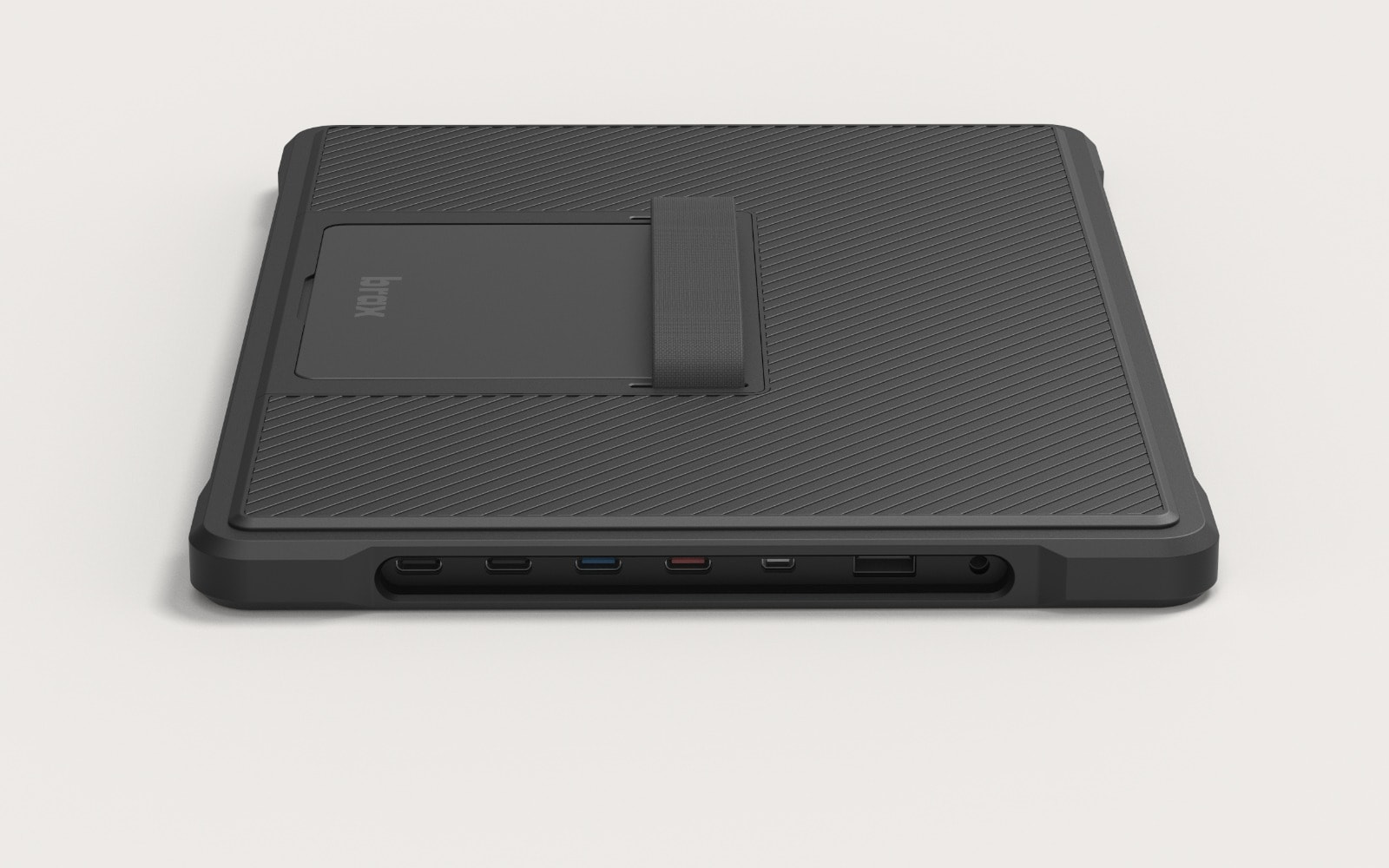
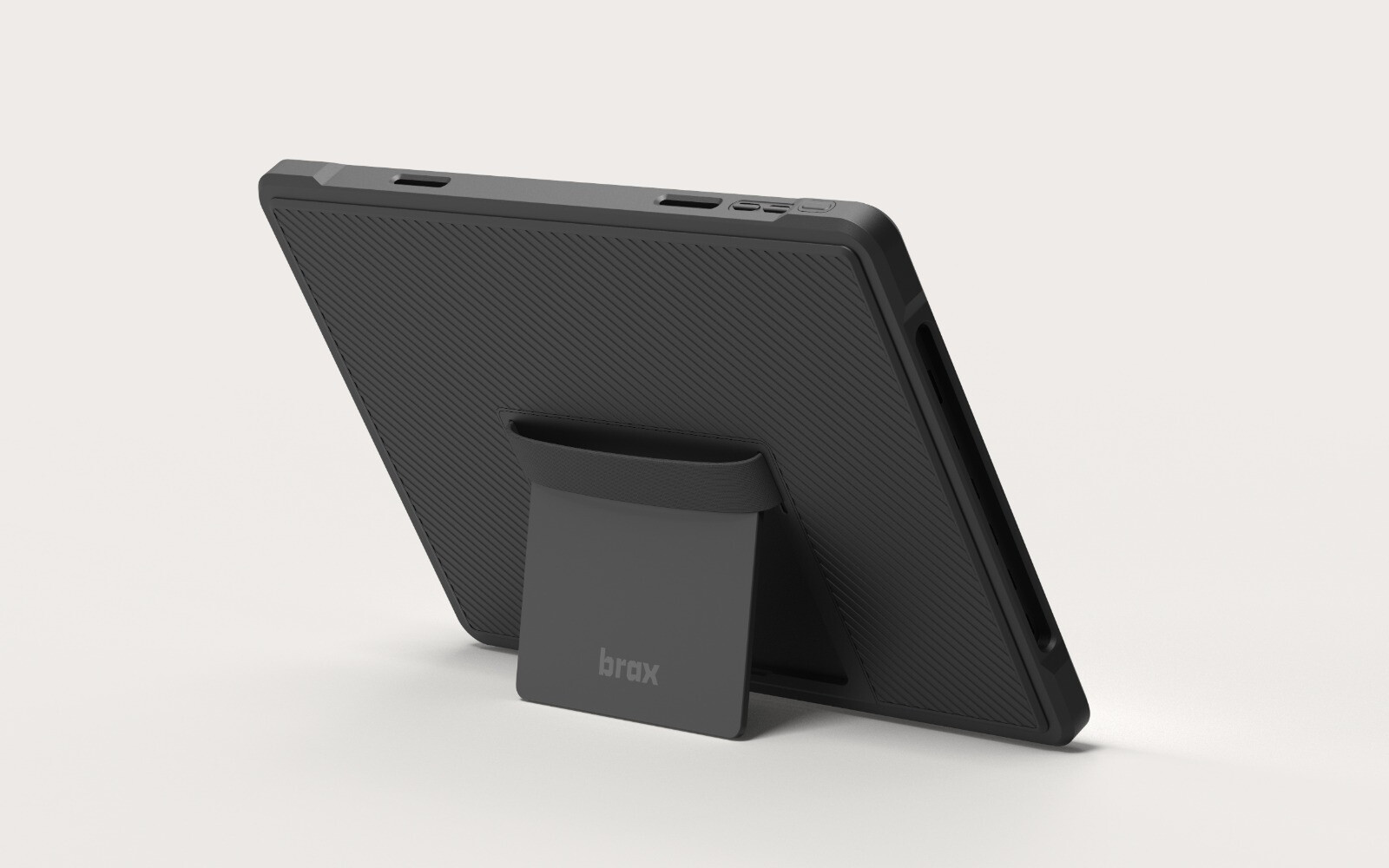
- Rugged case
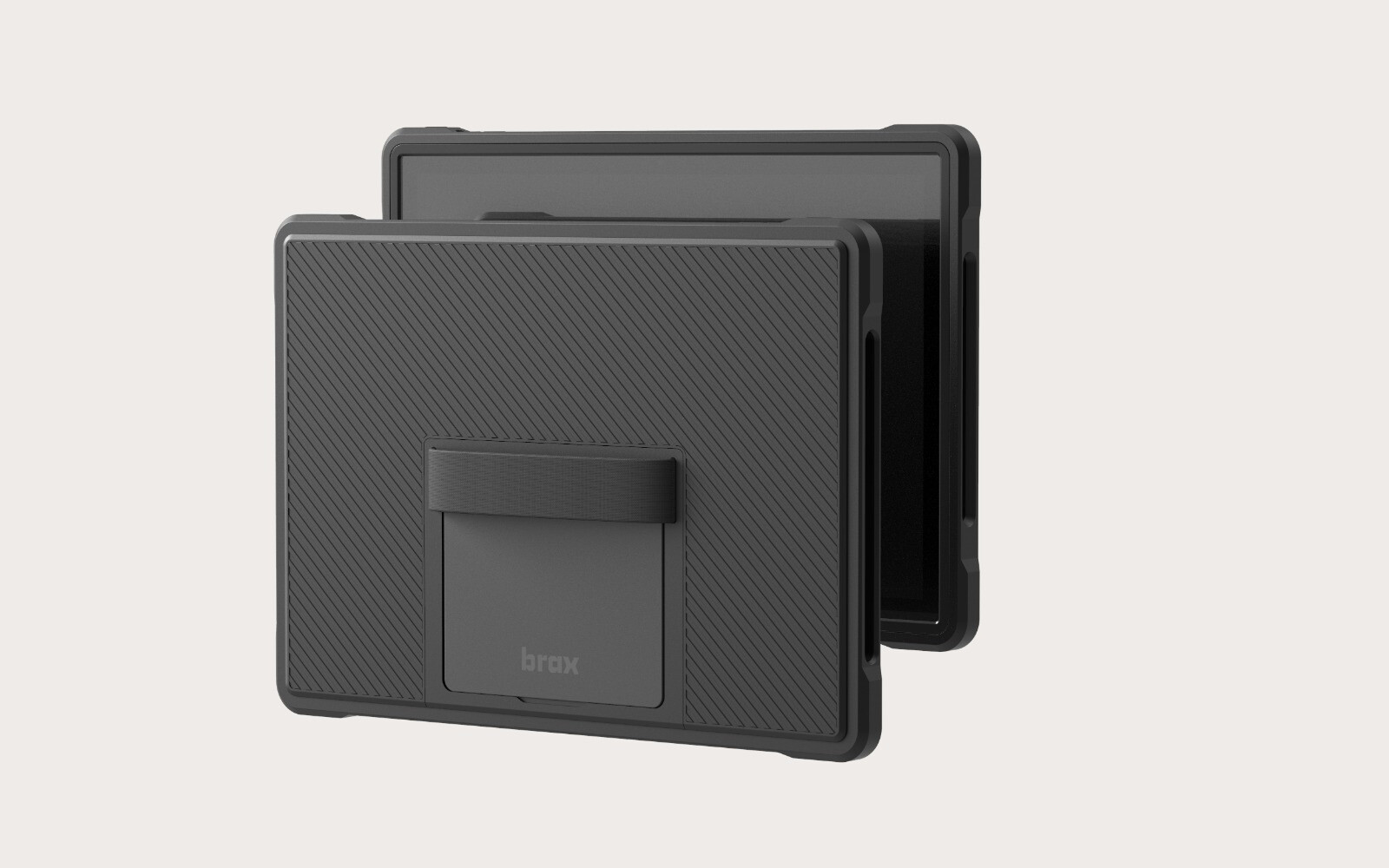
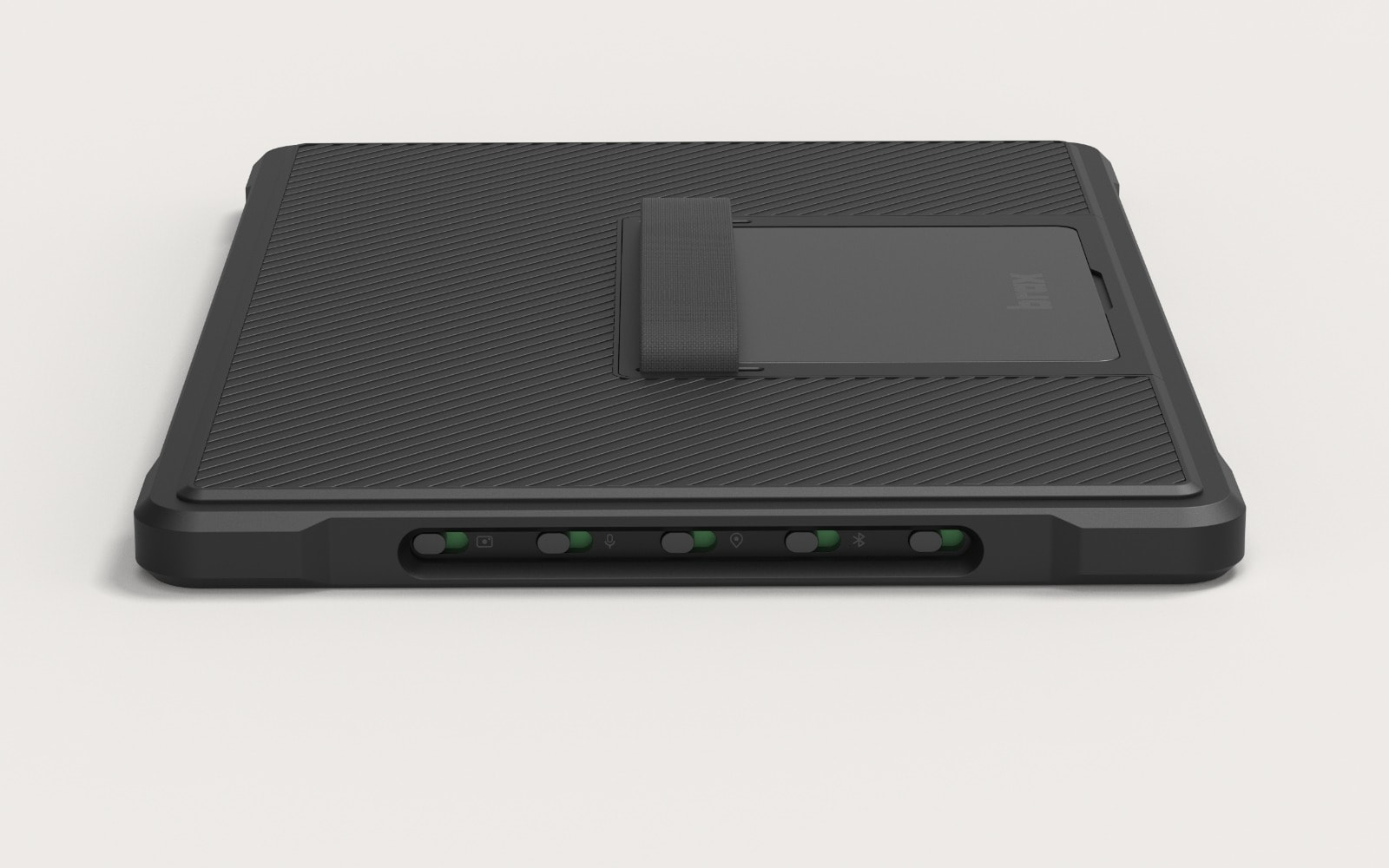
- Book folio case (design in progress)
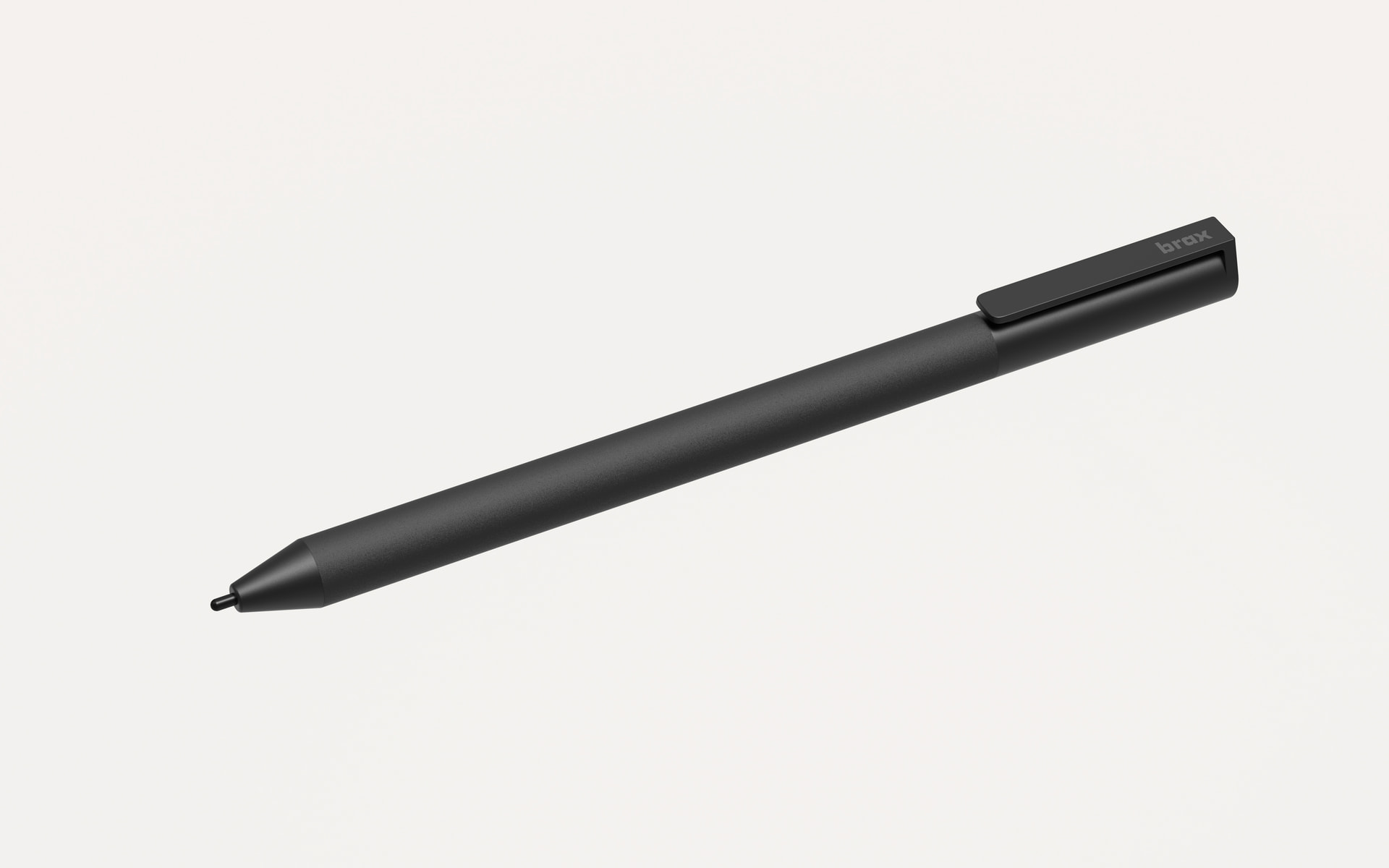
- Stylus pen (design in progress)
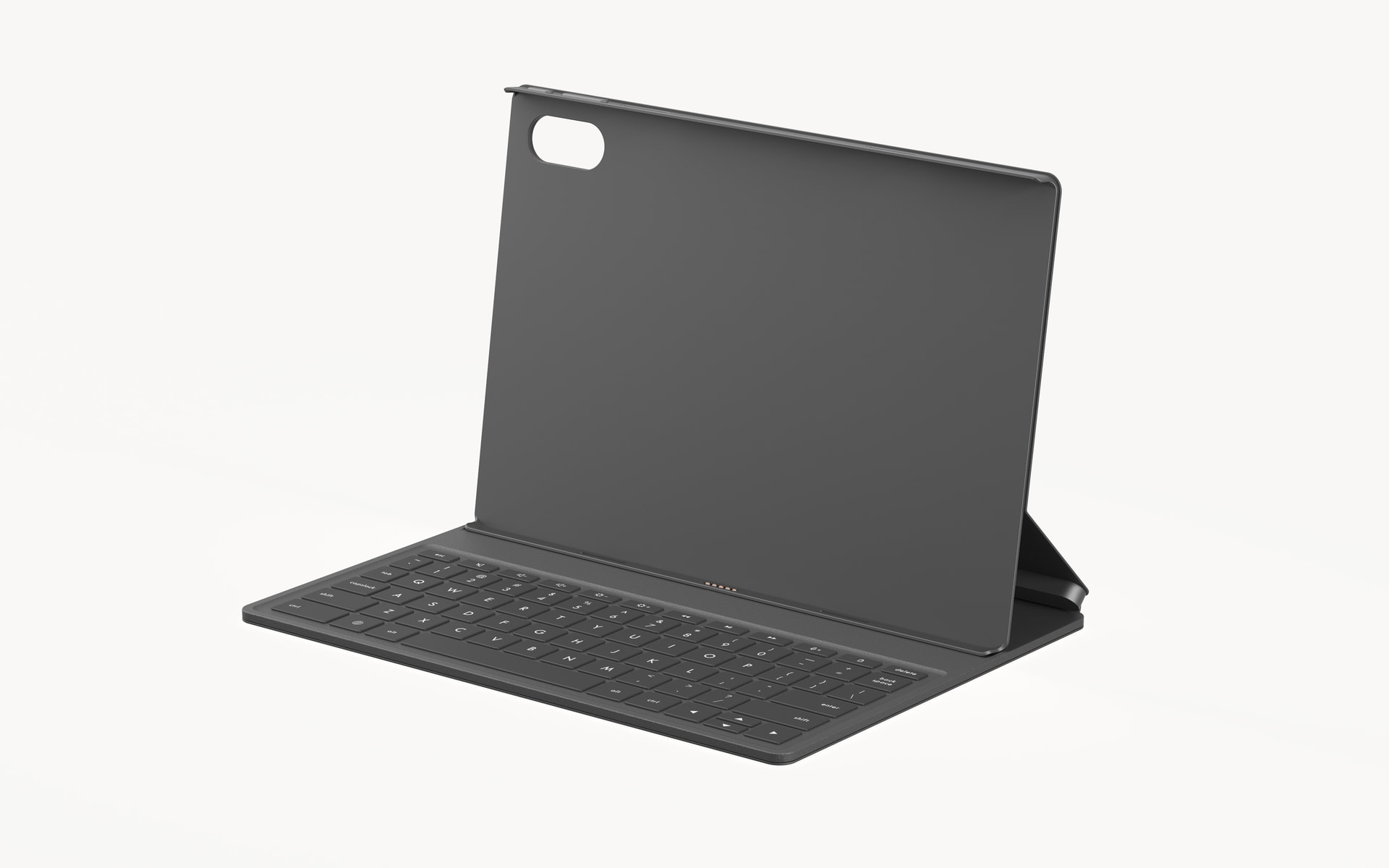
- Keyboard + folio (design in progress)
- Tempered screen protector
Those will be available as add-ons. Designs will be shared as we go.
Price
The open_slate will be sold in 2 variations:
- Base version: 8GB RAM + 128GB storage + IPS Display
- Pro version: 16GB RAM + 256GB storage + OLED DIsplay
The planned retail price is 599$ for the base version and 799$ for the Pro version.
We will be offering open_slate (both versions) at a discount during our pre-order campaign, starting as low as 399$ for the base version and 549$ for the Pro version for limited quantities only which may sell out in a day or two from launching pre-orders. Once those quantities are sold out, we will gradually ramp up the price closer to retail price as we get closer to deliveries.
We will share the available pre-order discount packages, including price per each tier (super early bird, early bird, etc.) as we get closer to launching our pre-order campaign. Prices are always subject to change as the world is going crazier and unpredictable (e.g. RAM shortages, tariffs).
Launch & Next Steps
open_slate will be launched using a community-driven, validation-first approach, similar to BraX3. Pre-orders will open in February, via IndieGoGo. Make sure to subscribe for notifications if you don’t want to miss the launch date.
Estimated delivery date is August '26.
Updates
Update 6th of April '26
Hi community, we’ve created a new destination where you can find more granular updates for the open_slate project: https://roadmap.braxtech.net/status/open-slate
Update 7th of March '26
Hi community,
I’d like to share a brief update, and answer some of the more recurring questions and comments I’ve seen across the board.
First off, we’re extremely grateful for the support we’ve received. The first few days of the campaigns have exceeded our expectations. We were bracing for a slow burner in terms of demand, but the community delivered big time.
As I mentioned earlier this week, I’ve had a great meeting with MediaTek team at the MWC show. We were reassured of the importance of running Linux on the G720 chip for MediaTek.
We’re planning a visit to China in April. The purpose of the visit is to oversee the production of the engineering samples. This will be the time when we will finalize all project details. We will also take the time to finalize accessory details too. We’re seeing a lot of feedback on the accessory line, and already have a few ideas on how we could improve the lineup.
We have an update on the OS readiness:
- In April, alongside the EVT samples, we will get a bootable and working AOSP. Once we receive that, we’re starting to work on BraxOS. We expect to have a good beta version of BraxOS in mid-end June, with the objective to organize a beta testing for mid-end of July As communicated in our campaign, we will also support other Android-based operating systems, so there might be work on other ports in parallel, depending on the porters availability/interest.
- In June, we will be getting a bootable and working version of Ubuntu and Yocto for open_slate. We’re expecting to finalize more details around the readiness of Ubuntu for June, and the months following.
That’s the latest about the project developments.
Now, let’s address the issue with availability of super early bird.
Our initial objective was to have the super early bird available for at least a day. The quantities we set (200 for each version of open_slate), were based on the projections we’ve made. It seems we didn’t estimate correctly, since super early bird were sold out in a flash.
At the same time, I’d like to share that we’d always want to offer the lowest price we can for the products we offer. This is challenging for a small, up-and-coming brand like ours, trying to bring innovation and cool features on the market. So while we try to offer great deals for our supporters, we also need to ensure project continuation and some sort of financial stability. The reality is that the super early bird price is a price we can’t maintain. What’s more, we’ve added a higher-end display for the Pro version of open_slate, and only increasing the super early bird price by 20$, and not touching the Early Bird price (while incurring a significant cost for the upgrade on our end).
Having said that, I fully understand the frustration for those that couldn’t secure the Super Early Bird price, for one reason or another. Nothing much we can do about this, unfortunately. We believe the product is worth the retail price, based on its merit and not on some mystic privacy/security angle (if you know the market of private and secure phones/tablets, you know what I am talking about). We’re betting that enough people believe the same, so the project can happen. Maybe a bigger brand can step up and make these products, and make them cheaper (but they’re not and it doesn’t seem they will anytime soon).
Update 23rd of Feb '26
Hi Community.
New IndieGoGo Launch Date: March 3rd, 11:30 AM PST (Yes, Really)
We’re pushing the open_slate launch to March 3rd, 11:30 AM PST.
Minor miscommunication with IndieGoGo about tax collection. They’re releasing a new feature that lets us handle US/Canada/EU/UK taxes properly at checkout. Worth waiting for.
If you visited the page and saw the countdown jump forward, it’s not a glitch. We updated it. The timer works. I swear.
One more week. Then we launch.
Update 21st of Feb '26
Hi community,
As you are aware, we’re close to launching our crowdfunding campaign for open_slate.
We’re fully ready with our landing page including product descriptions, more visuals, videos, available SKUs, etc.
We’d love to hear some feedback on our landing page before we launch the campaign, as we’d like to make sure we didn’t miss anything.
So, I’d like to ask if anyone would like to get an early preview of our campaign and help us by providing feedback. If so, like this post. I will select 3-5 users and will send them an invite to the test preview page by the end of today.
Disclaimer: you still won’t be able to order before the official launch of the campaign. The early test preview will allow you to place a test order, but not place an actual one.
Update 19th of Feb '26
Hi Community.
The moment we’ve been building toward is almost here.
The open_slate IndieGoGo campaign launches on 24th of February, at 11:30AM PST.
Secure the best pricing with our Super Early Bird tier - available in limited quantities only.
You can follow the campaign on IndieGoGo. Following gets you notified when it launches.
 Major Upgrade: Pro Version Display
We’re excited to announce a significant upgrade to the Pro version display:
2.8K OLED Display Specs:
- 1 Billion colors (vs. 16.7M on IPS displays)
- 600 nits indoor brightness with 1000 nits peak for outdoor viewing
- 120Hz refresh rate for incredibly smooth scrolling and responsiveness
- True blacks and infinite contrast ratio
This is a professional-grade display for creators, designers, and anyone who wants the absolute best visual experience. The Super Early Bird price for the Pro version is slightly increased to $549 to reflect this upgrade.
 Help Spread the Word
Spreading the word would be greatly appreciated.
Share with friends, communities, forums, or social media. The only way this project grows is through word of mouth (We won’t be giving Google any money to advertise!)
Update 12th of Feb '26
Hi all, a short update from the brax team.
Update on design/production
We’ve finalized the design work and are proceeding with an EVT.
You can check out a disassembly view of the tablet.
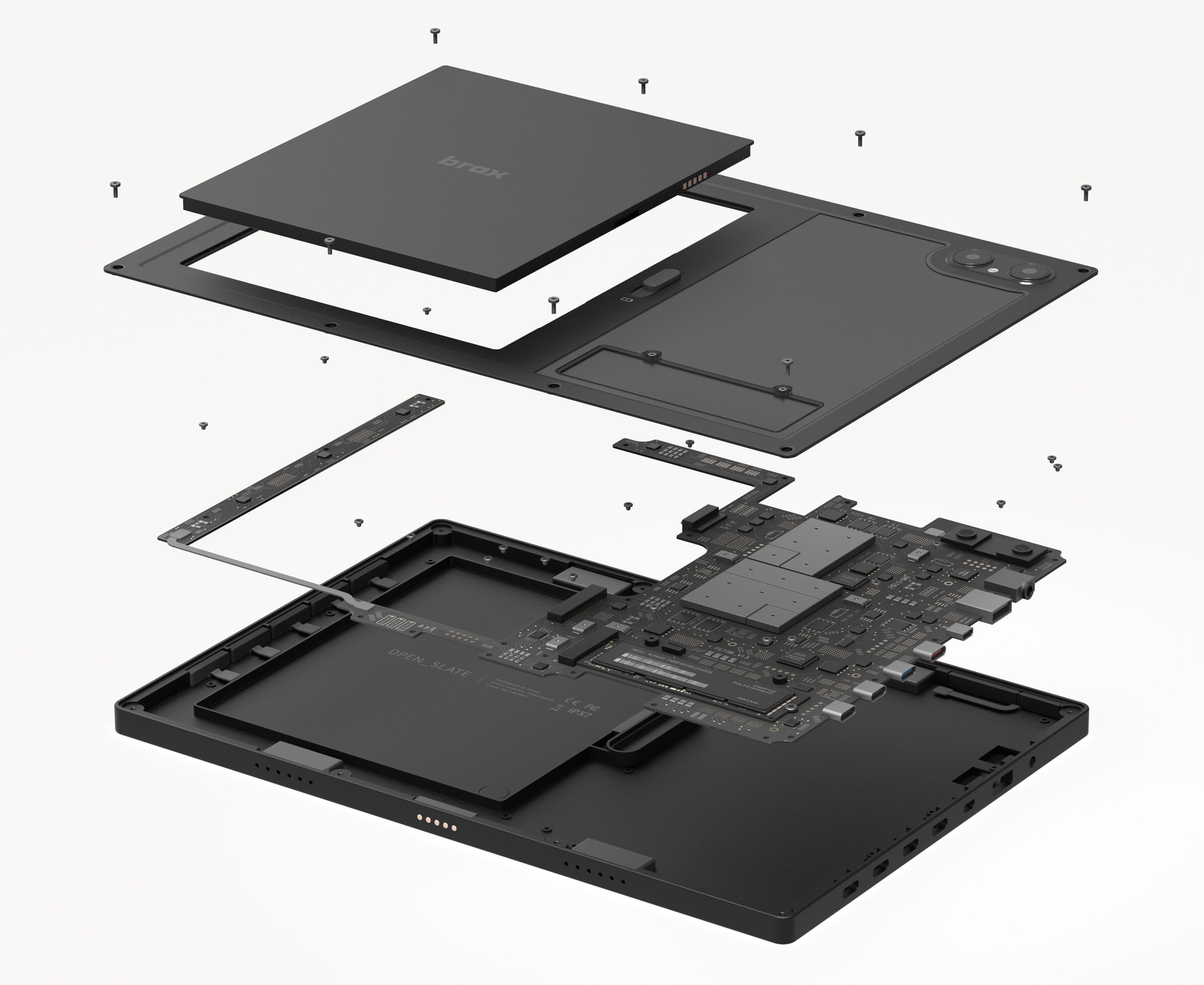
As communicated before, design is always subject to change. We are actively listening to feedback and are working towards making some changes along the way.
IndieGoGo pre-orders launch
We’re almost done with building our IndieGoGo landing page, and setting up the pre-order flow. We will give a minimum of 5 days heads-up before launch. stay tuned.
Update 7th of Feb '26
Hi community, it’s been a minute since I last posted an updated.
I am happy to share the full line of accessories for the open_slate.
With that, I am also opening a poll to see which accessories are most sought after. Let us know if you’d like us to add any accessories. If your suggestion gets some traction, we can include it in the line up. Cast your vote here.
Folio case
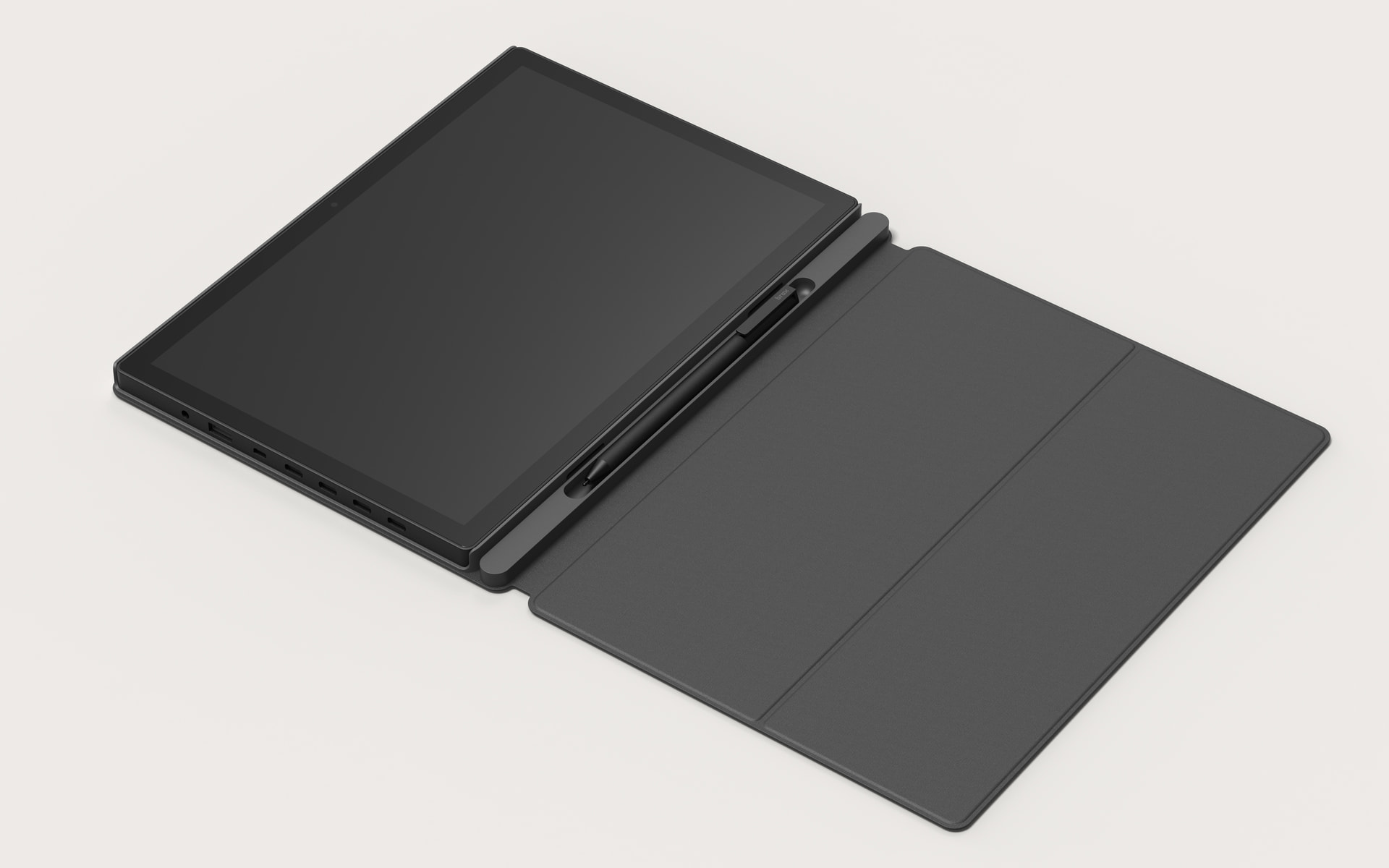
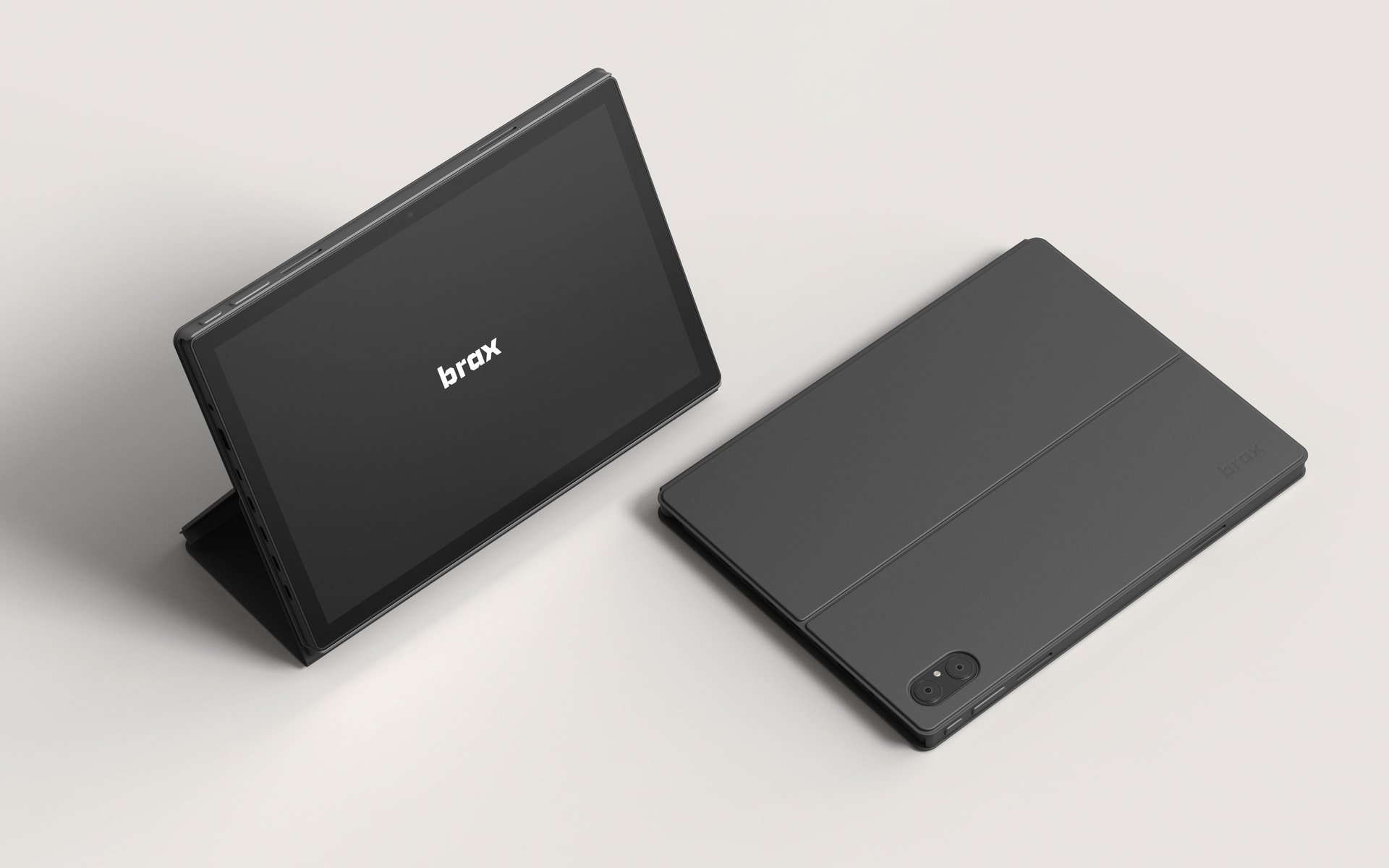
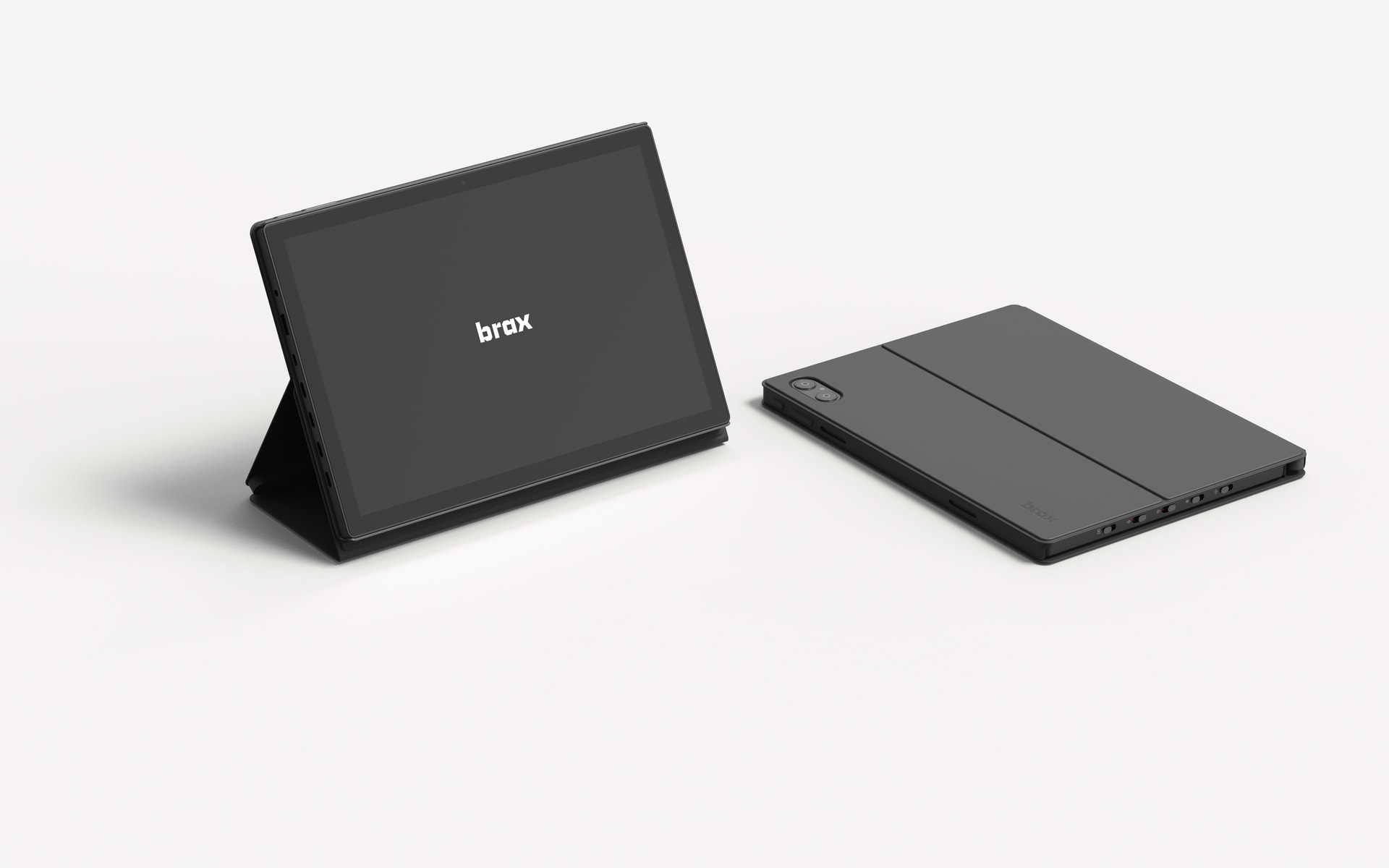
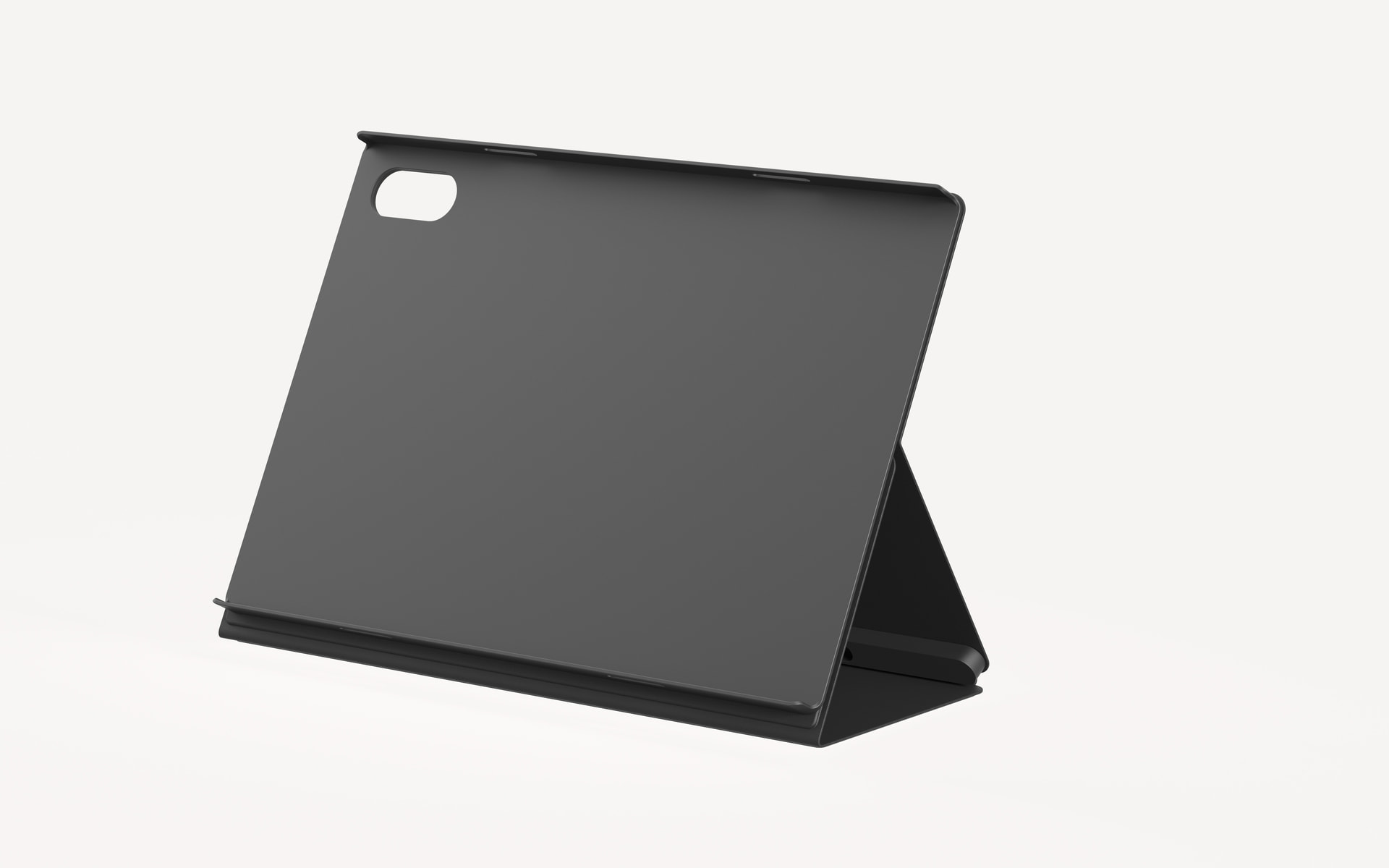
Keyboard + folio case
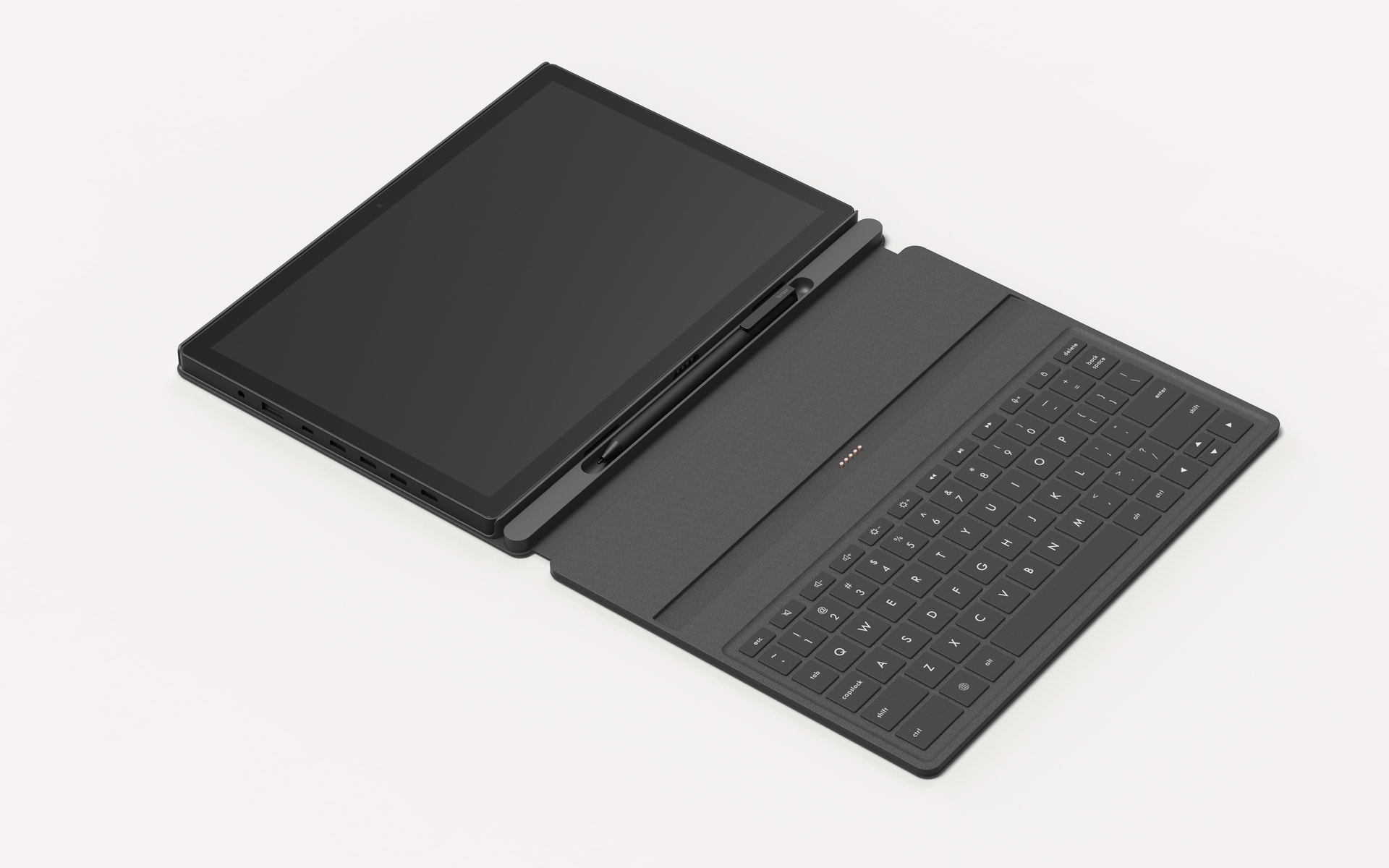
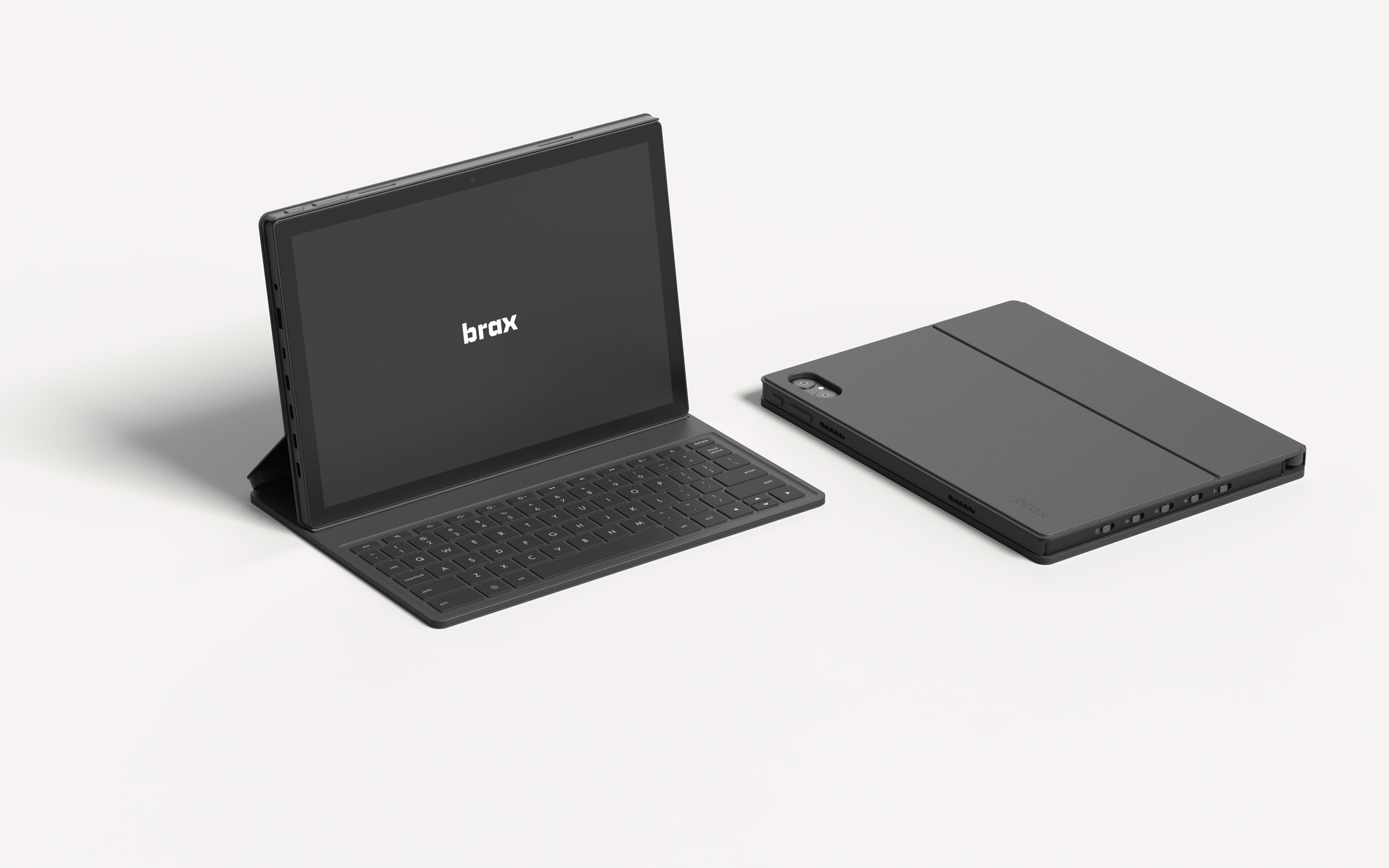
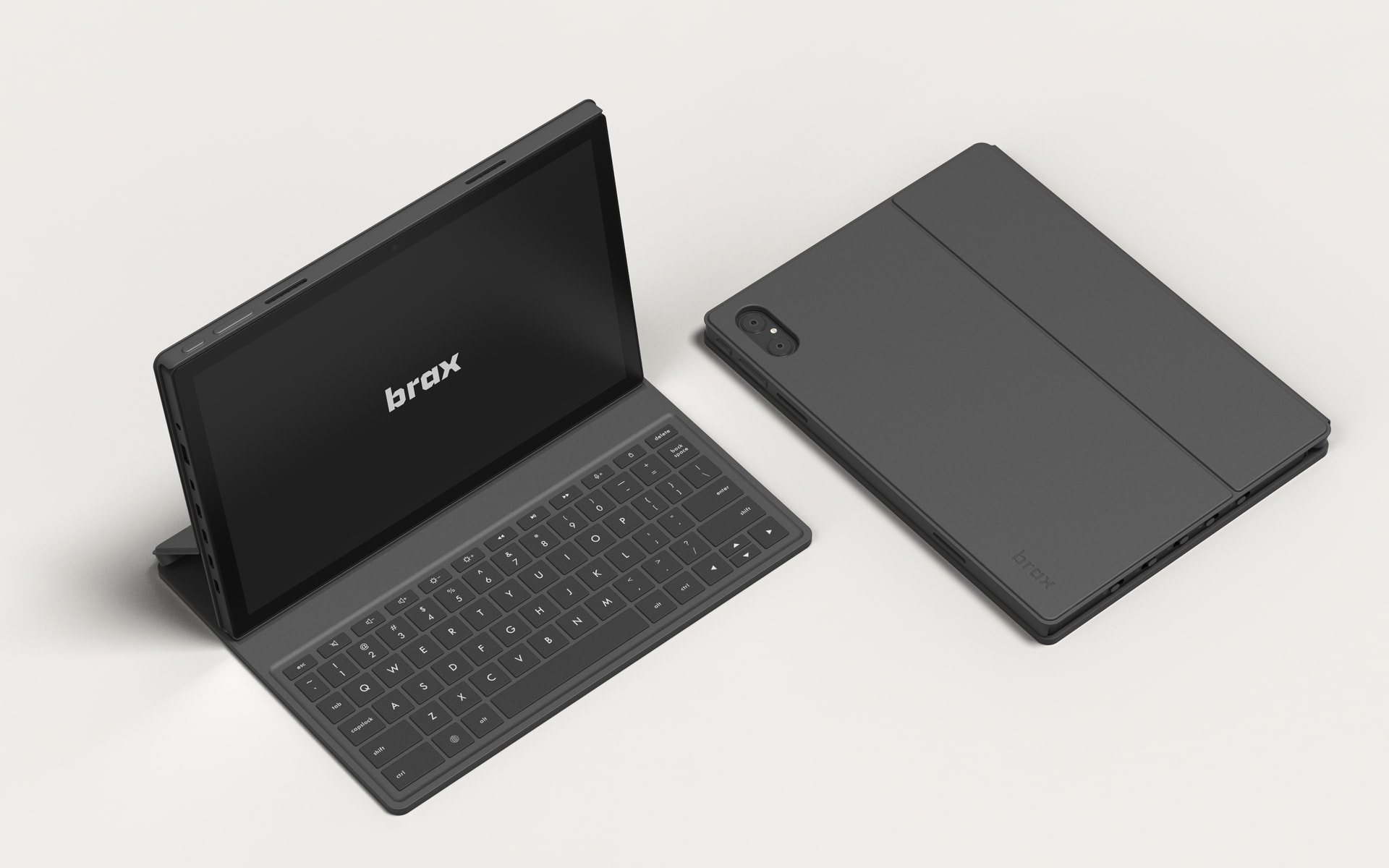
Stylus pen
USB-C to RJ45 connector
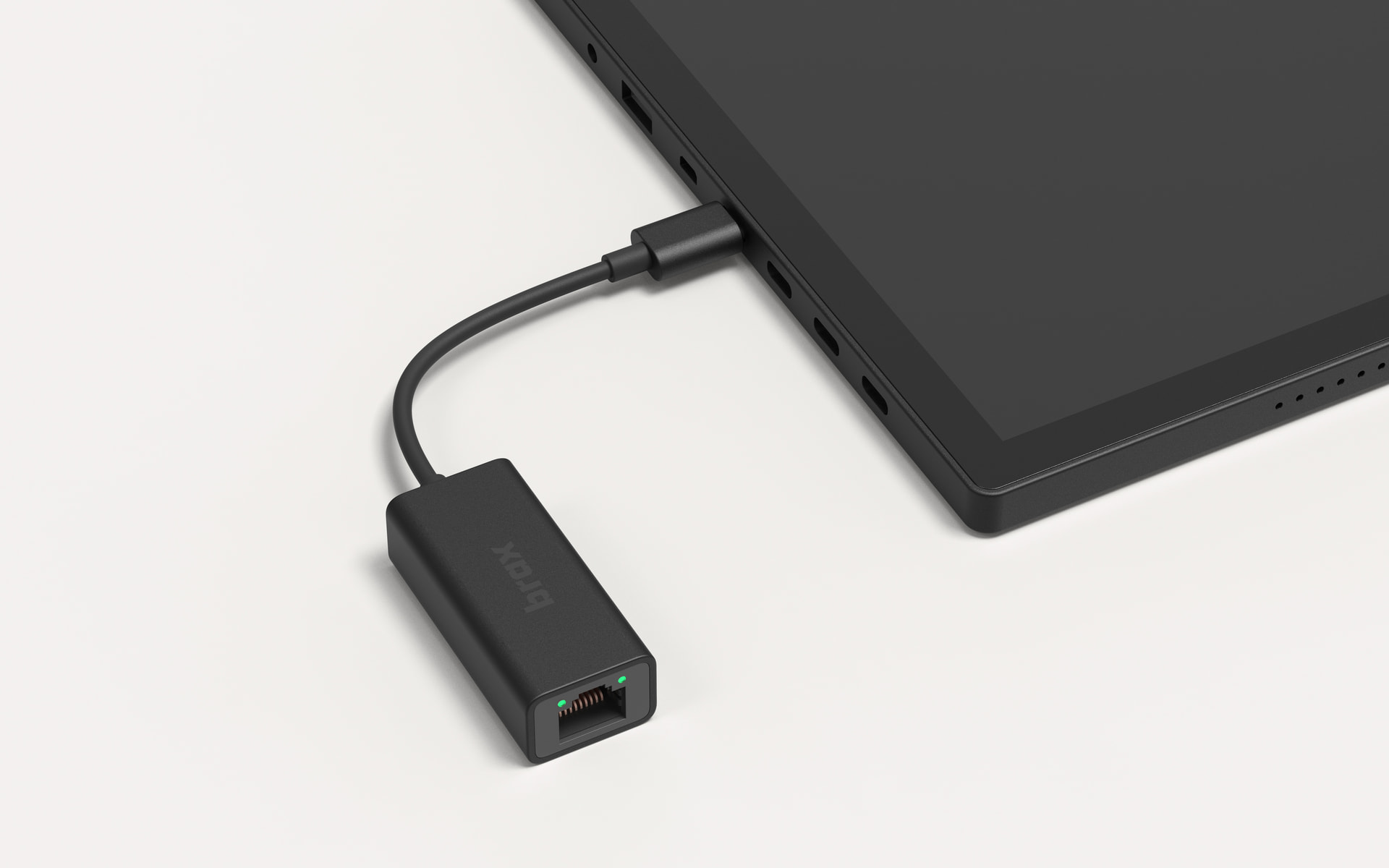
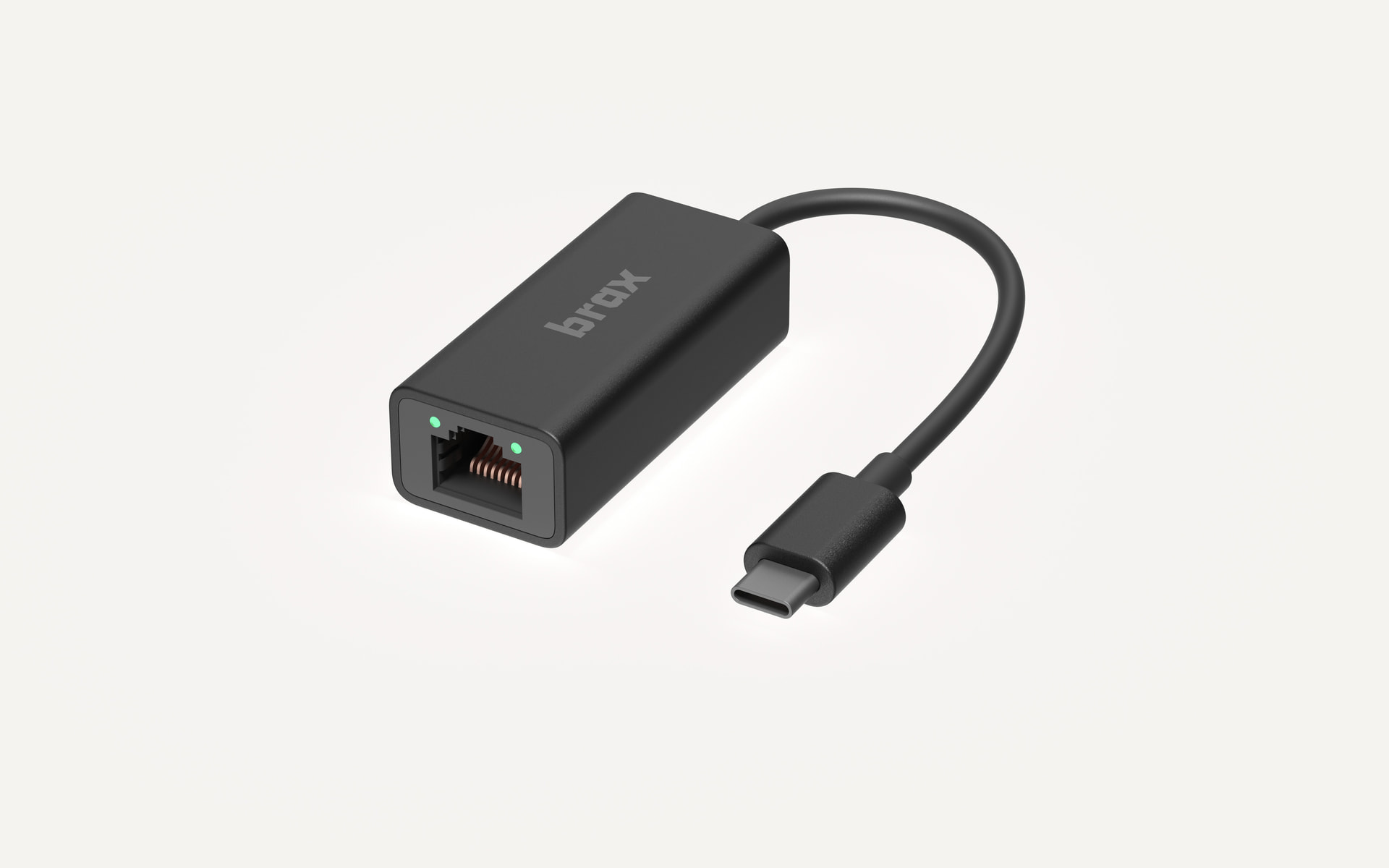
Rugged case
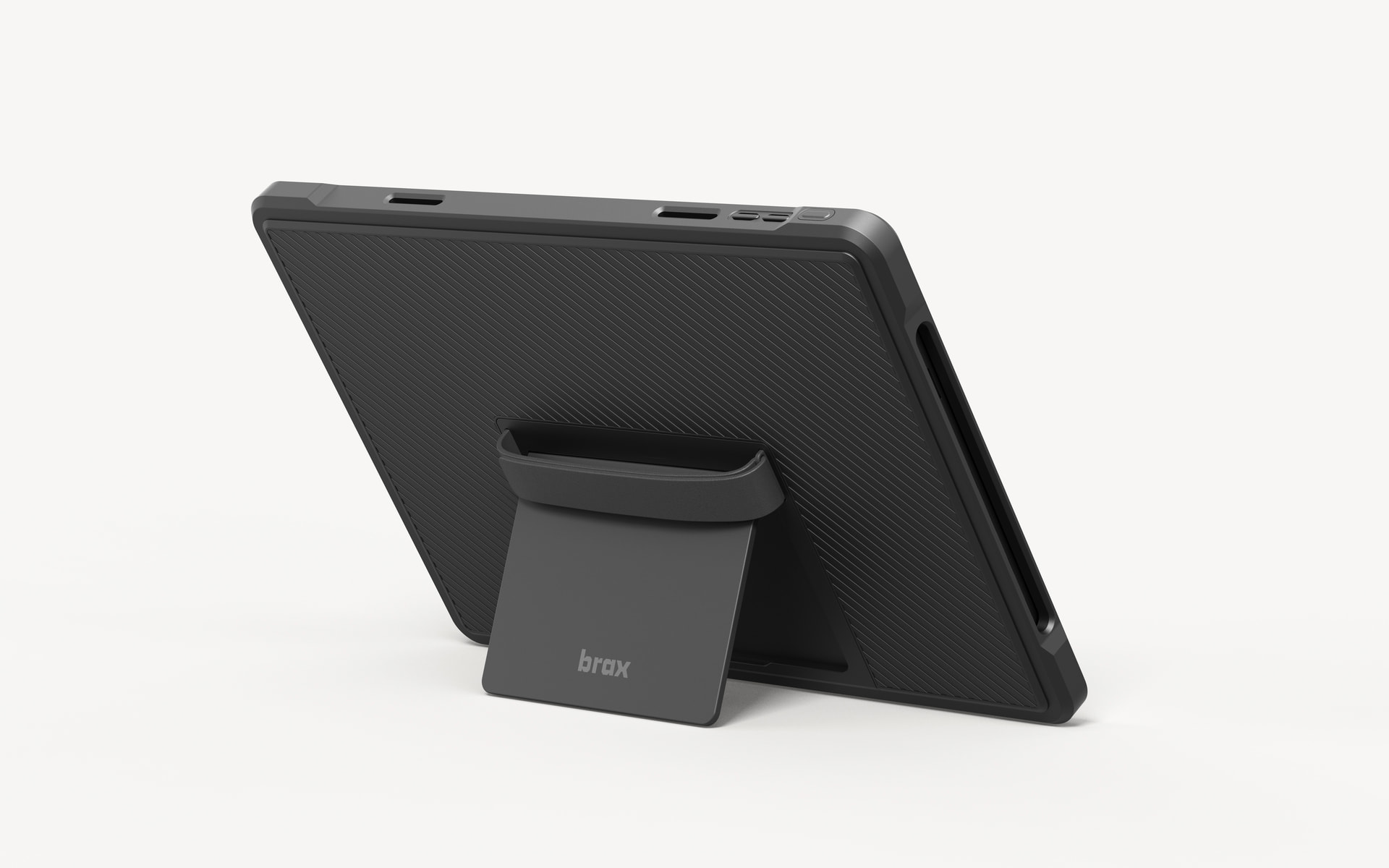
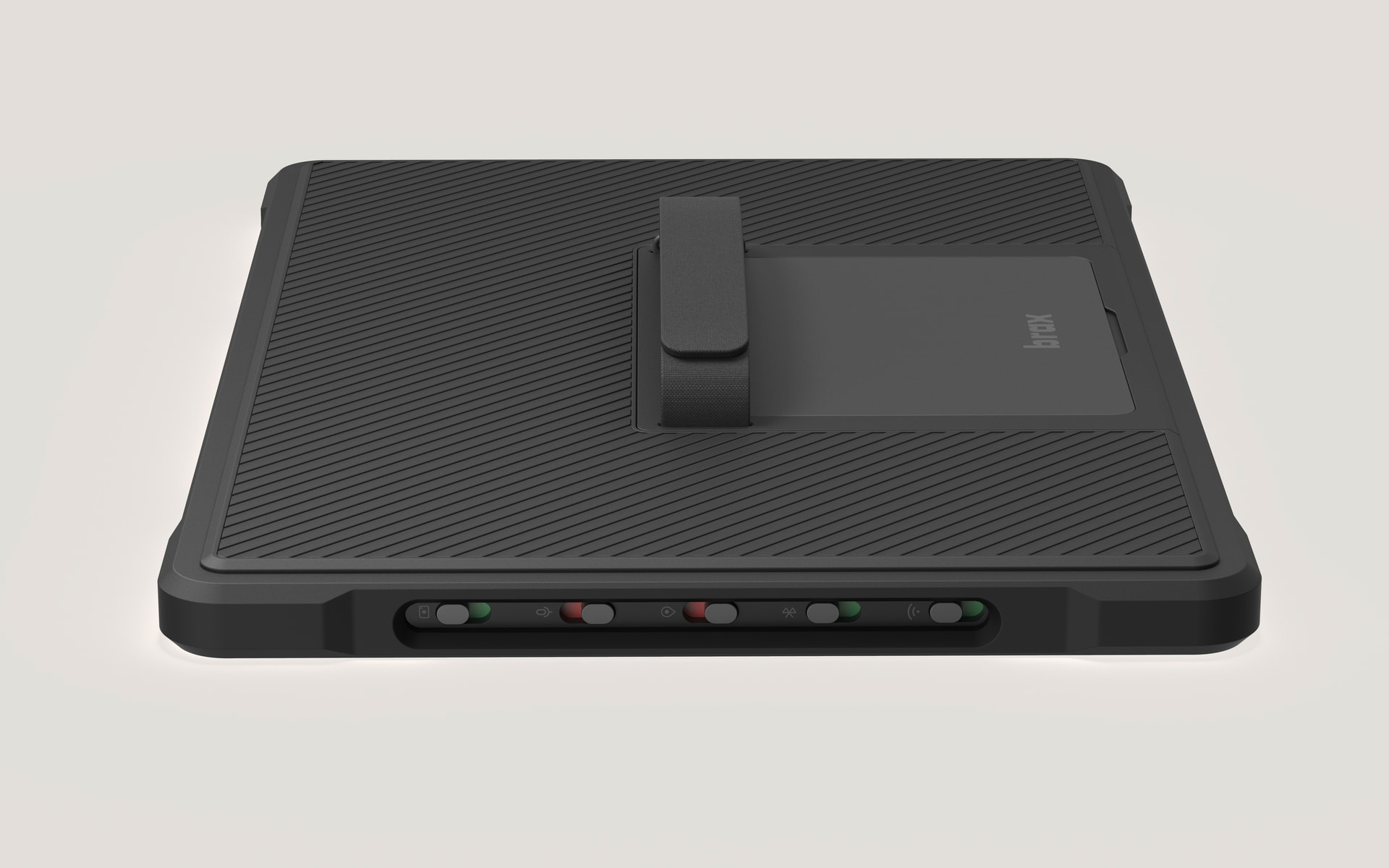
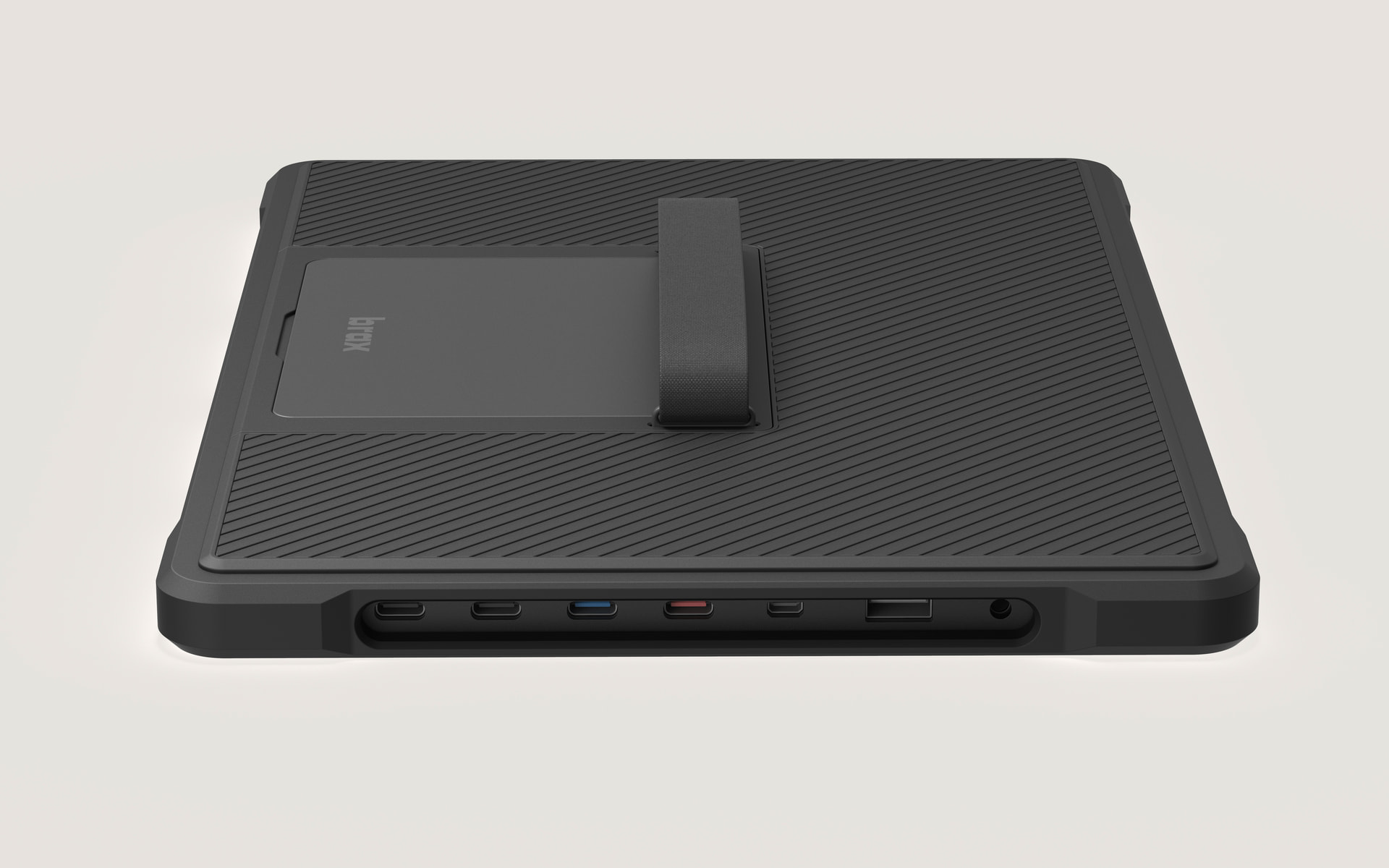
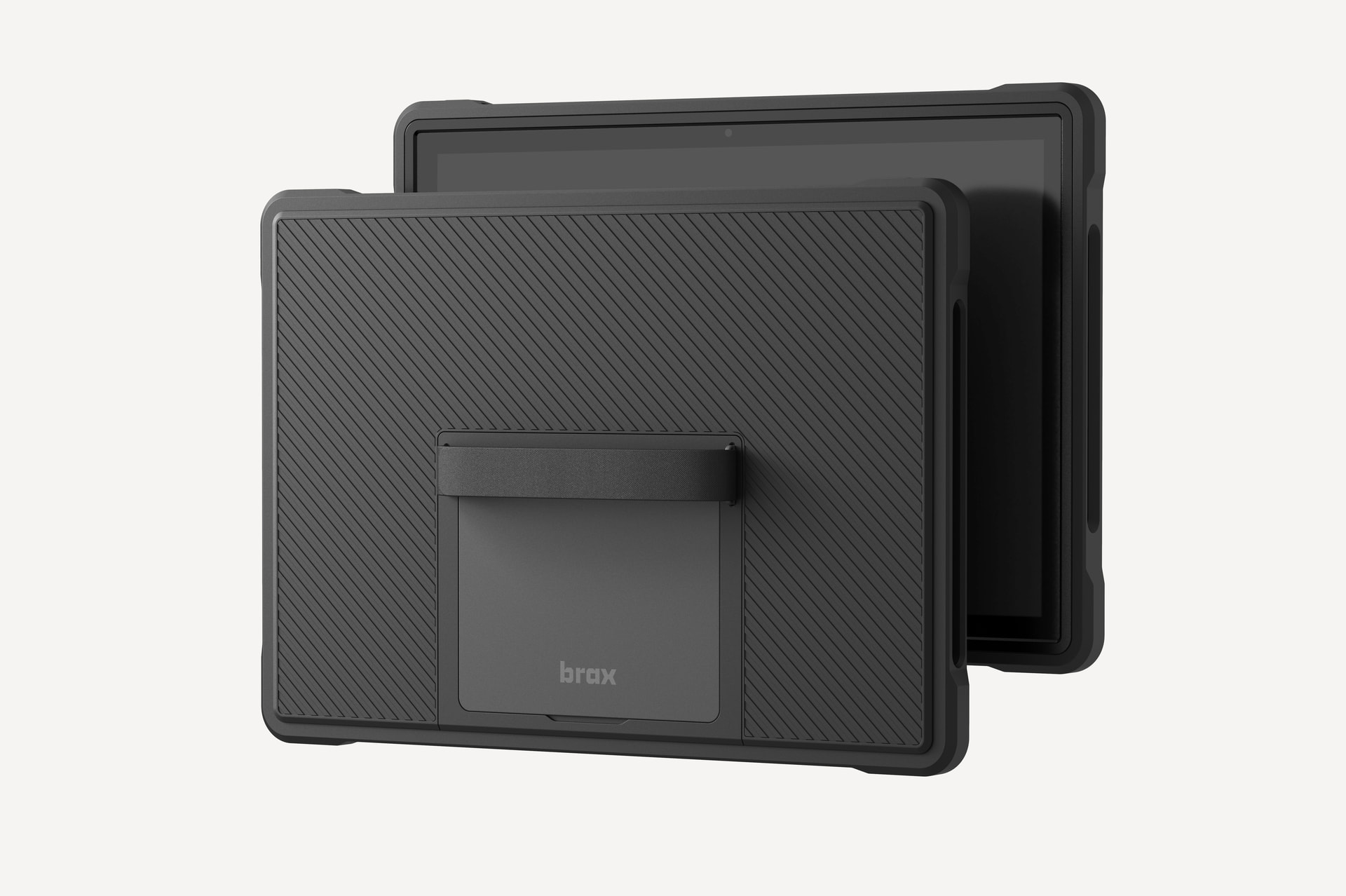
Update 30th of Jan '26
Hi community, I am coming back with a new poll.
This one is not necessarily shaping design decisions but it is important from a business decision point of view.
As open_slate continues to take shape, we want to involve the community in another important part of the project: launch configurations.
Our current plan (unless something changes) is to offer open_slate in two versions at launch:
- Base — 8GB RAM + 128GB storage
- Pro — 16GB RAM + 256GB storage
Both versions share the same core design principles: privacy-first hardware, multi-OS support, modularity, and long-term ownership.
Even though we intend to launch with two configurations, supporting multiple SKUs comes with real manufacturing challenges.
Each configuration requires separate planning across the supply chain — and most importantly, MOQ commitments (minimum order quantities).
This poll isn’t about choosing one over the other — it’s about helping us estimate the expected demand split between Base and Pro (roughly in terms of %).
That feedback helps us get an understanding of our community’s preference.
Update 29th of Jan '26
Thank you all to those who participated in our latest poll, related to mobile connectivity.
The results are in, and they are more divided than we hoped (but as divided as we expected).
Mobile connectivity is usually offered in PRO versions, sometime for surcharge of 100-200$. That’s not what we ever want to do. We want to offer the full capability of the platform we use, so that the device can support more use-cases.
There are a few trade offs with each decision, to a degree. We will go back to the lab and try to figure out the best solution. Early conversations we had internally are leading us towards exploring a solution including an integrated 5G subchip to the SoC, combined with a physical killswitch for the network/cellular sub-chip. Validating this can take a bit of time, but we will be updating you along the way.
Update 27th of Jan '26
We’re happy to share concept designs for the rugged tablet case. Grippy back, hand strap, and a holder stand. Turning open_slate to solid_slate.
Update 26th of Jan '26
We now have the results from our first product design poll, related to the indication for the USB ports (Open_slate MEGATHREAD - #15 by plamen). We will take the results into consideration and iterate our preliminary design.
We’re now opening a new poll, this time related to the product decision on mobile connectivity. We’d love to hear from you through our new poll: Open_slate MEGATHREAD - #53 by plamen
Update 23rd of Jan '26
Hi community. We’re happy to announce our new project open_slate. A private and powerful 2-in-1 tablet with Android and Native linux support.
Check out the official announcement from Rob’s livestream: New Project! The Brax Open_Slate - Android/Linux Tablet